URBE INFINITA
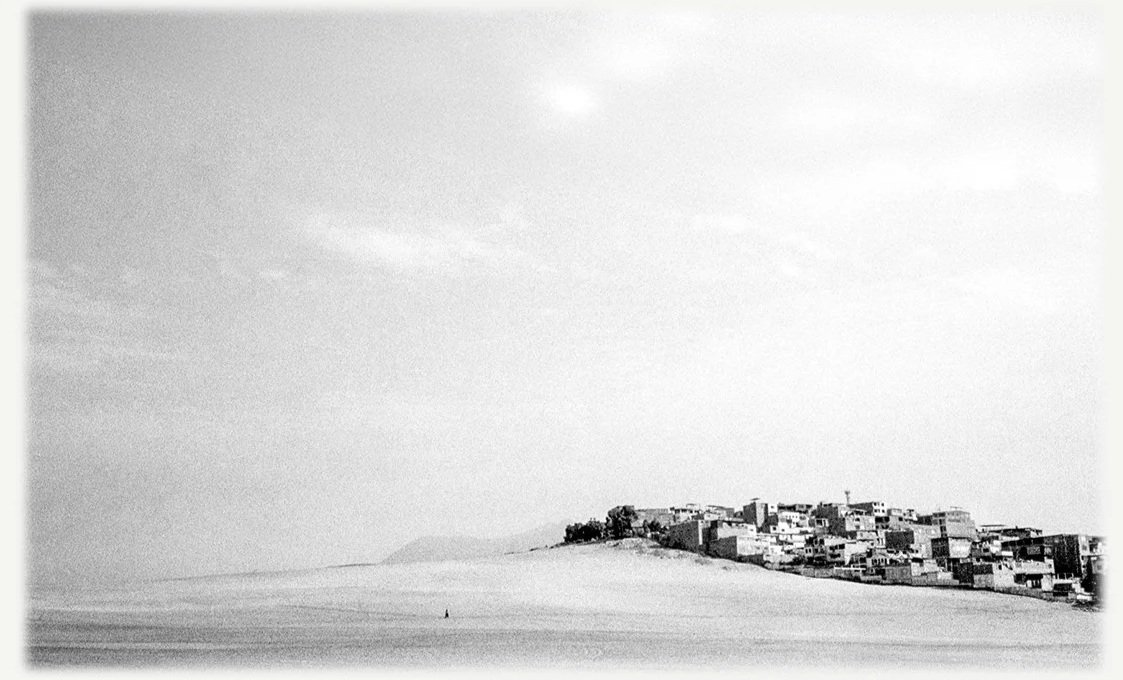
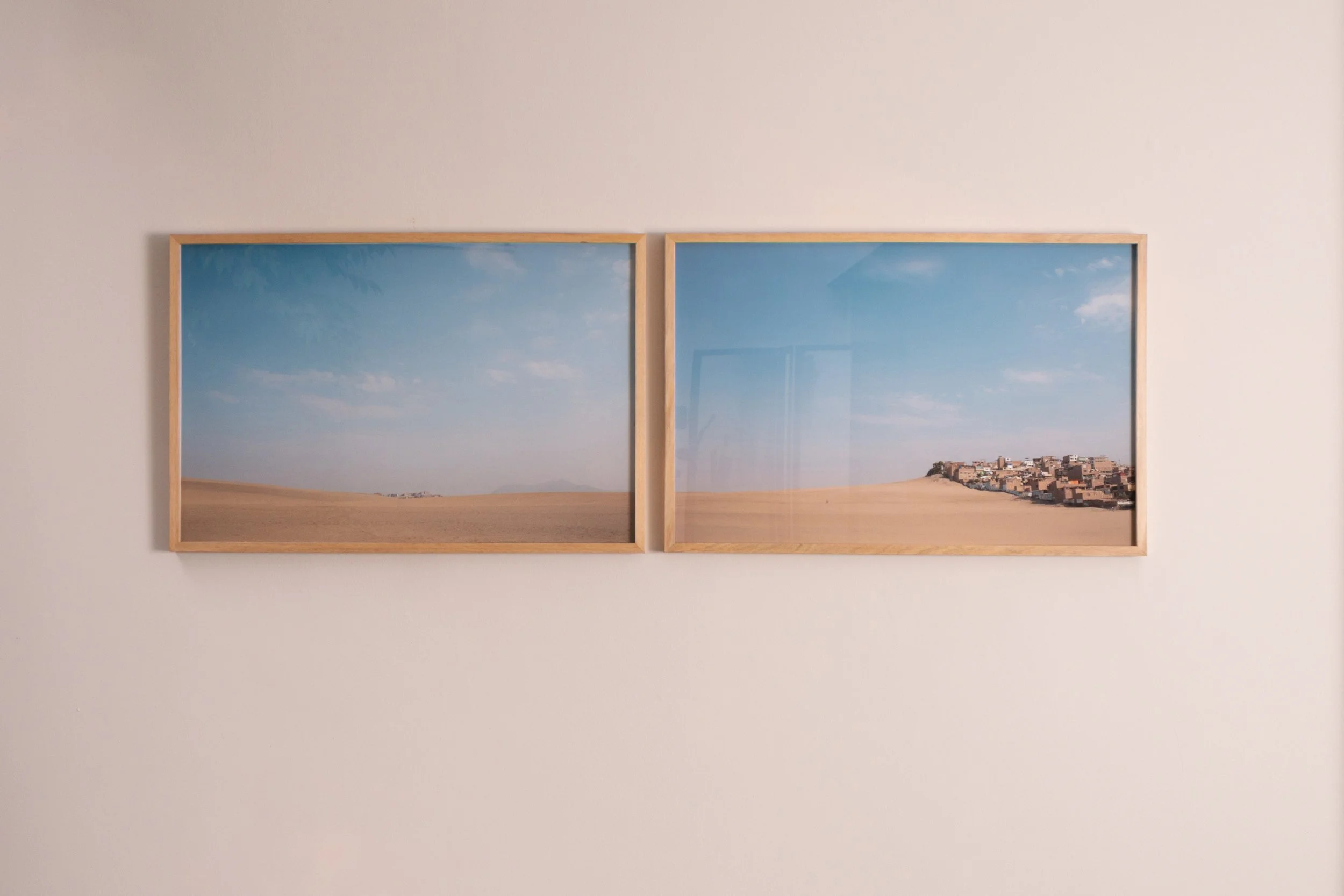
Urbe Infinita (Infinite Metropolis) is an ongoing visual investigation into self-built architecture in Lima, Peru. Through photography, video, testimonies, and imagery from Google Street View, the project explores the processes of incremental construction that define the city's unfinished, largely unplanned urban landscape.
THE EXHIBITION
THE EXHIBITION
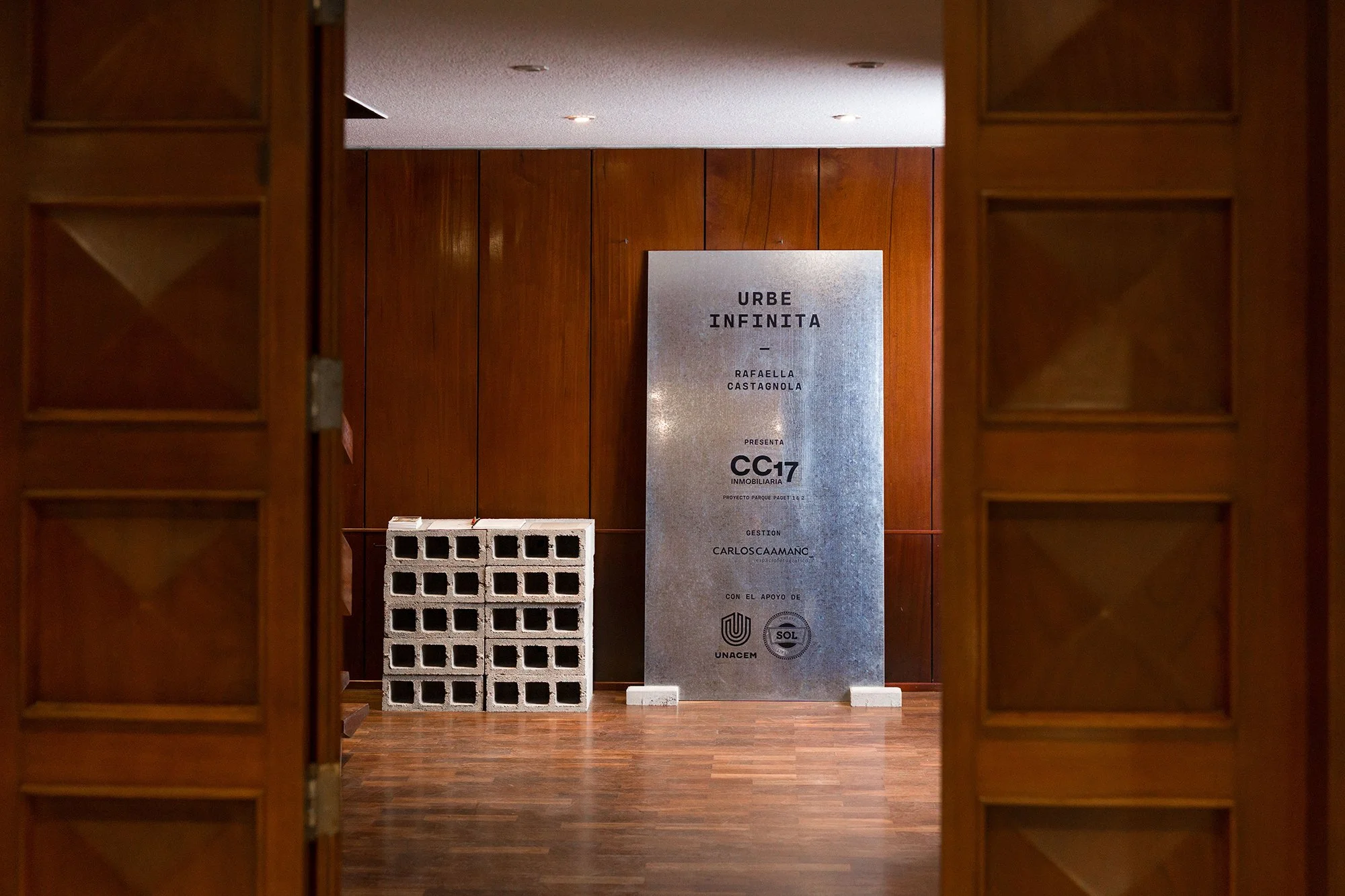
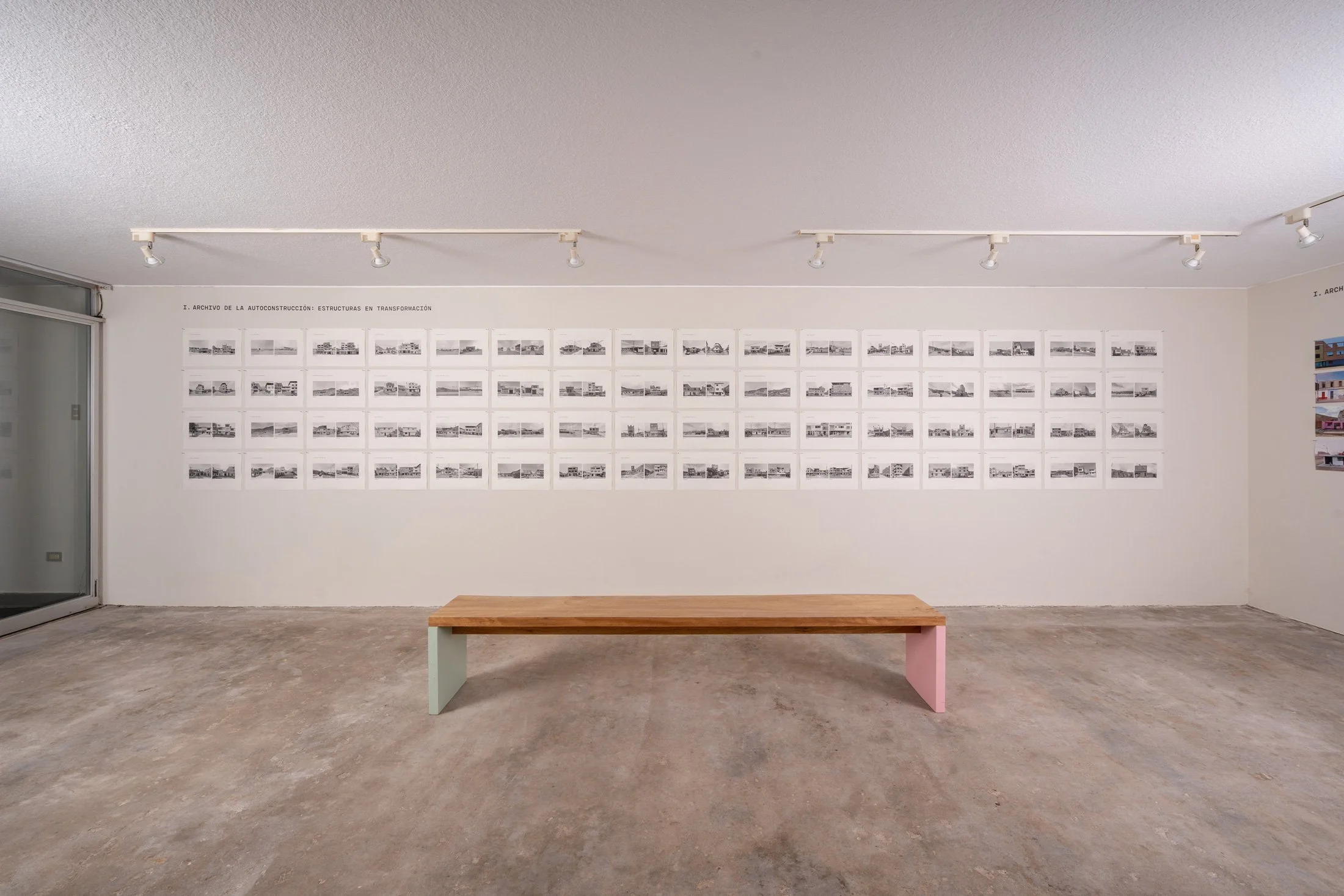
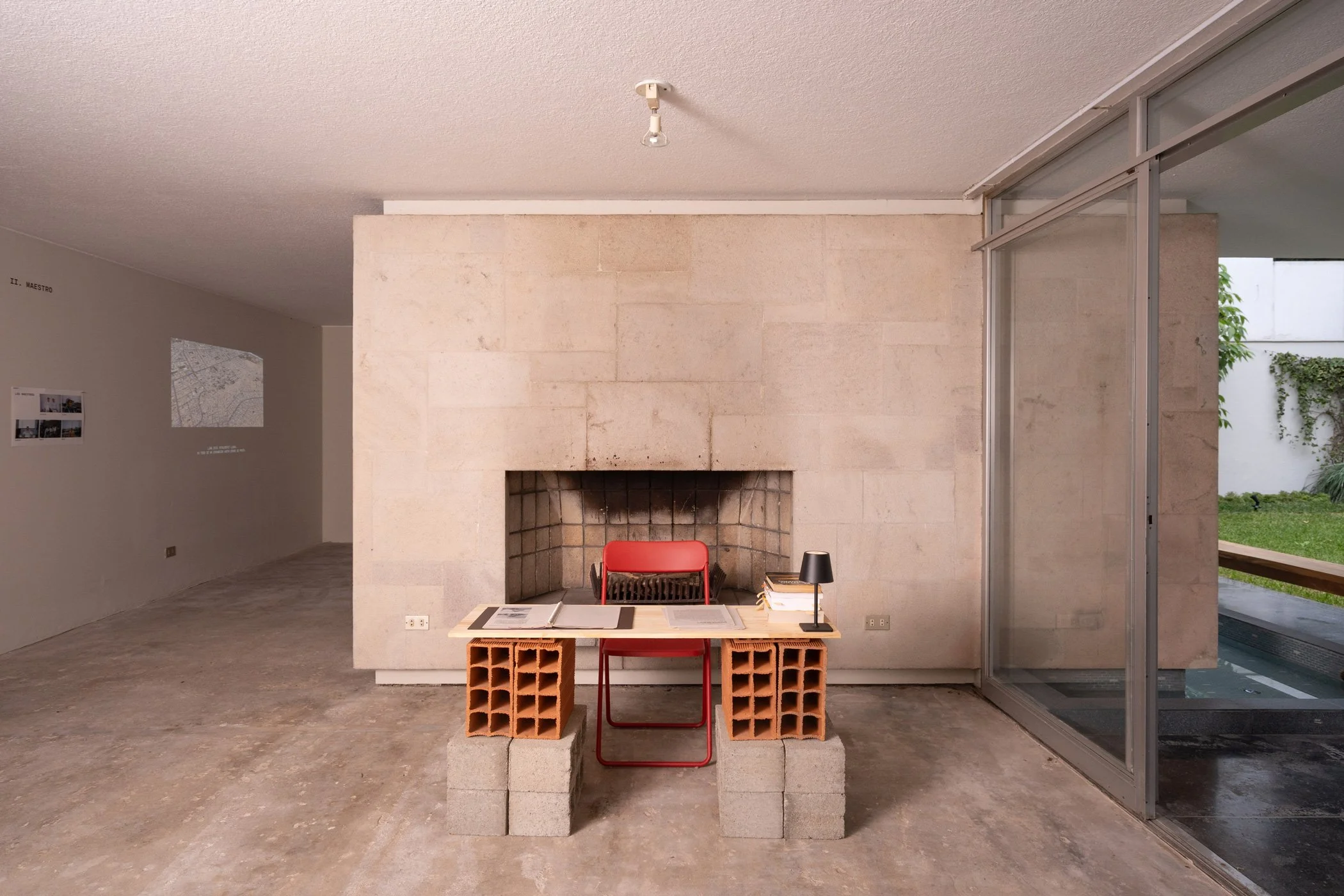
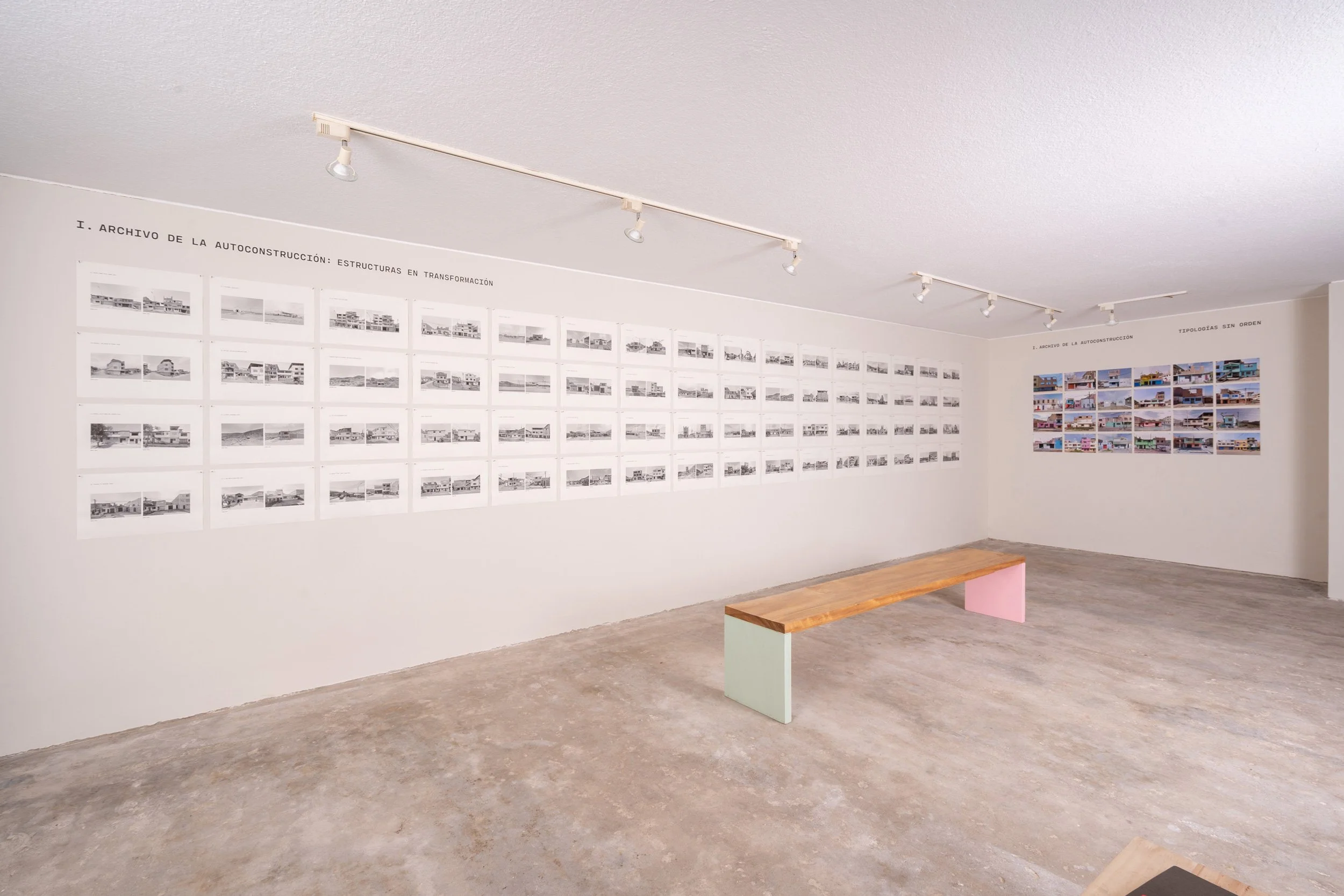
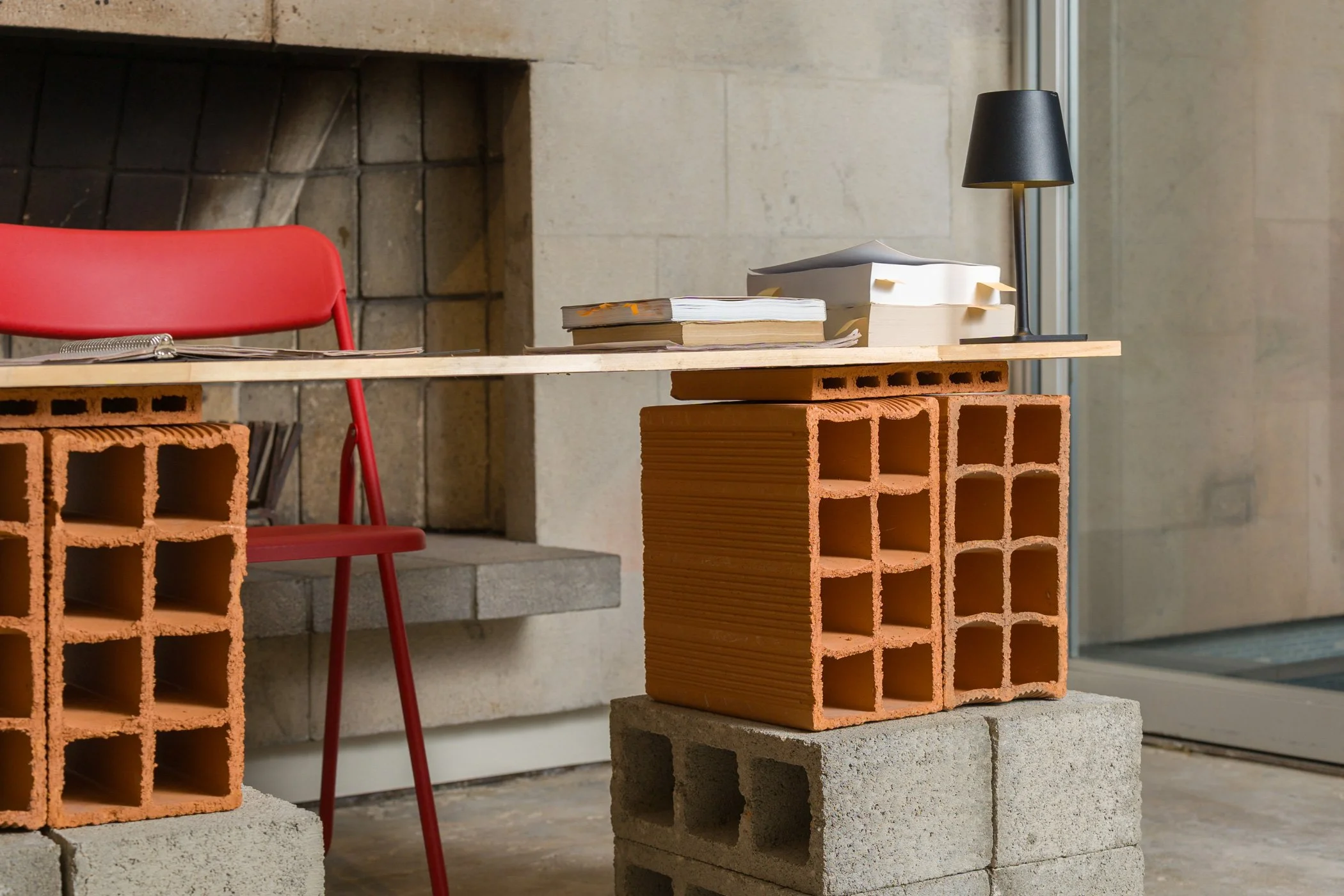
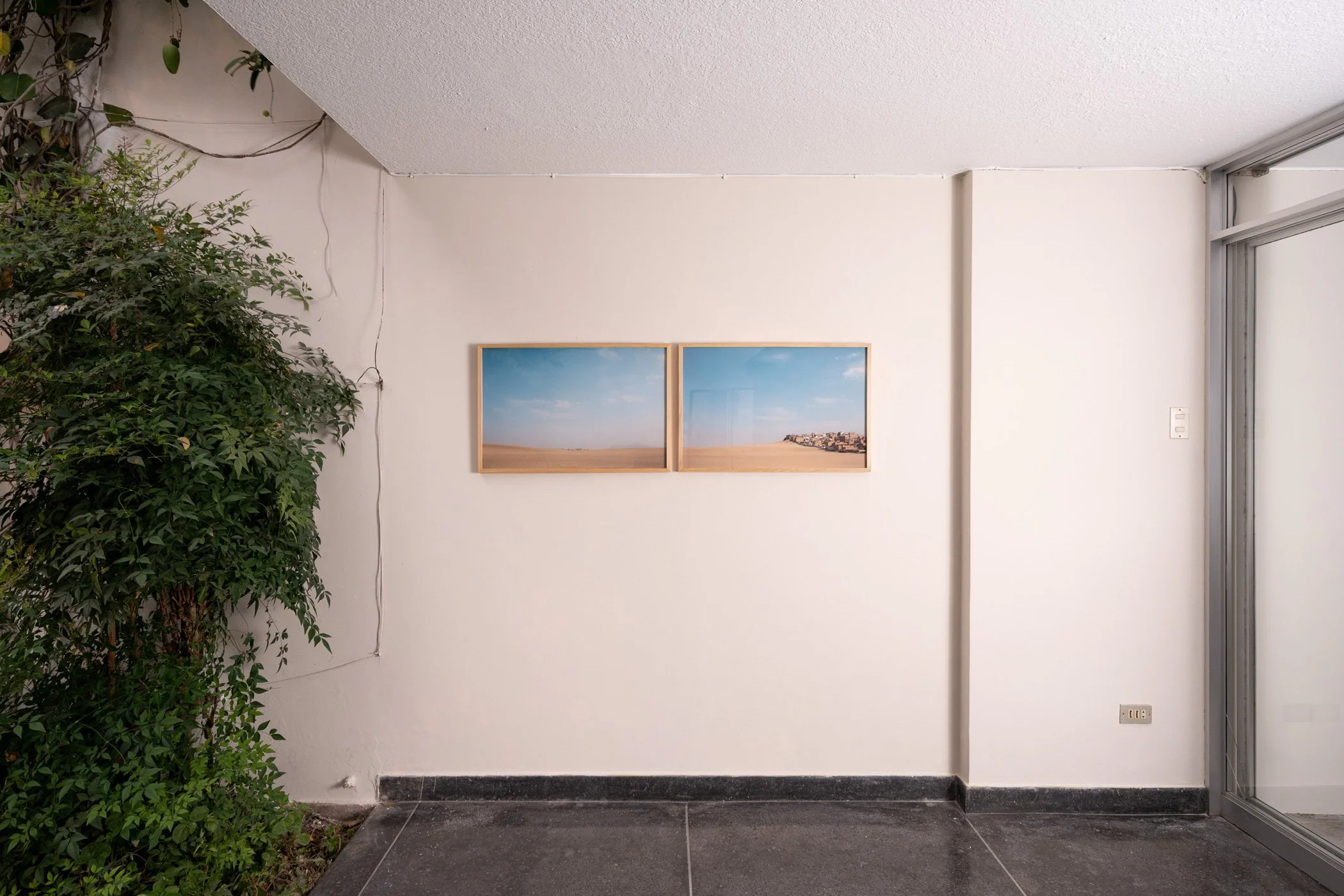
The first presentation of Urbe Infinita took place in May 2025, in a house built in 1968 that was soon to be demolished to make way for a new building — placing the exhibition within the cycle of transformation it explores. The exhibition examined the processes of self-urbanization in Lima, where homes are built and expanded over time, shaped by the resources and changing needs of their inhabitants.
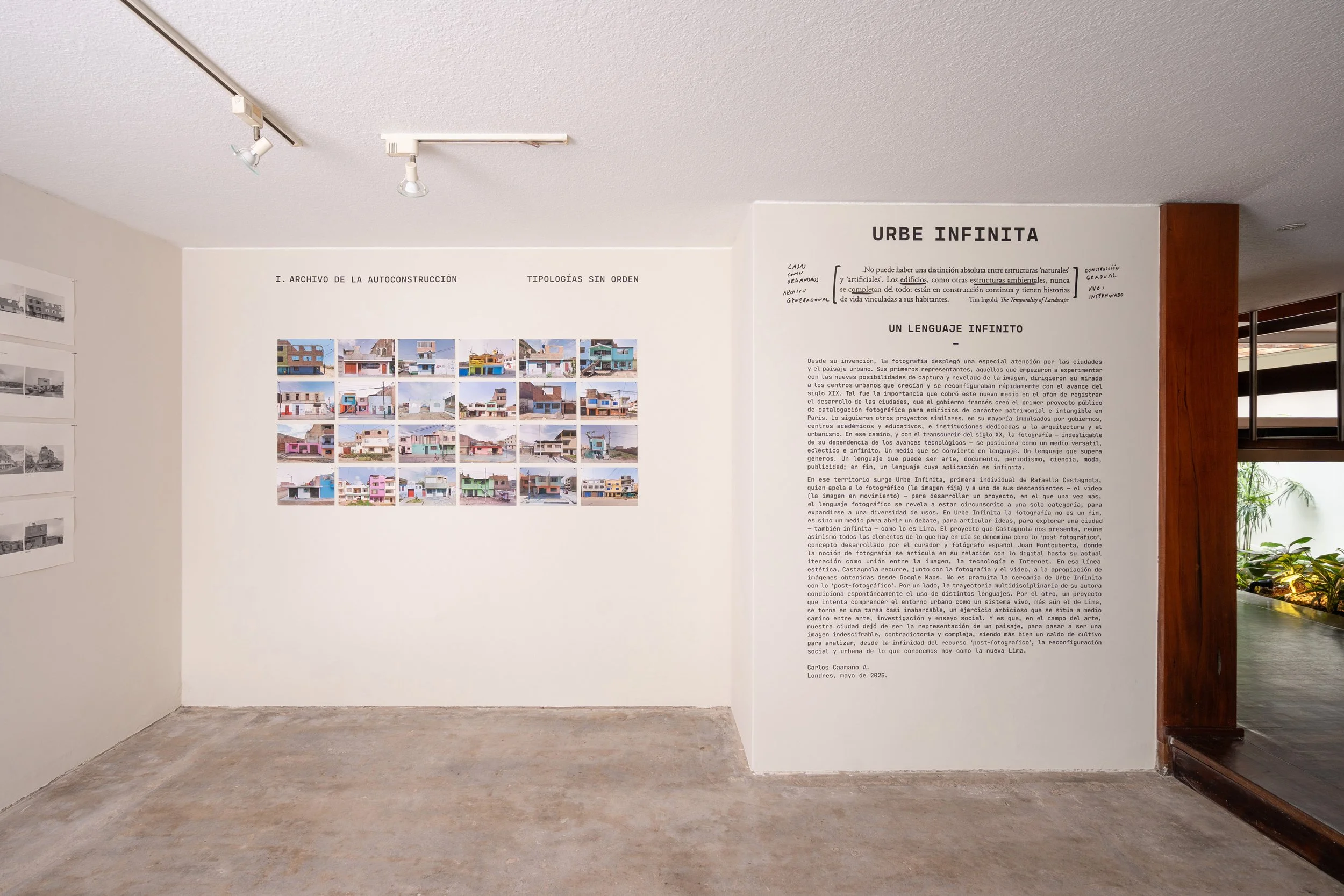
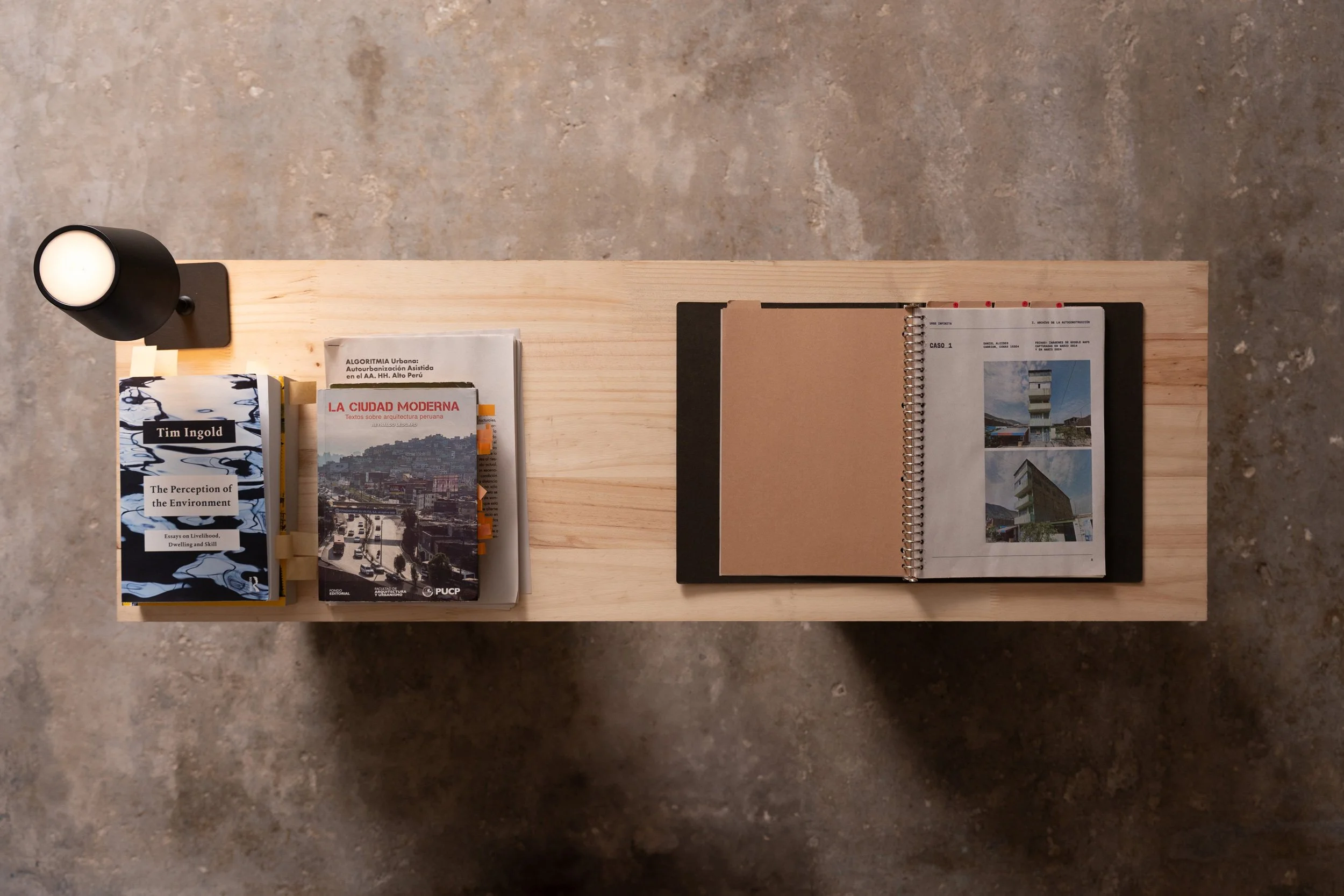
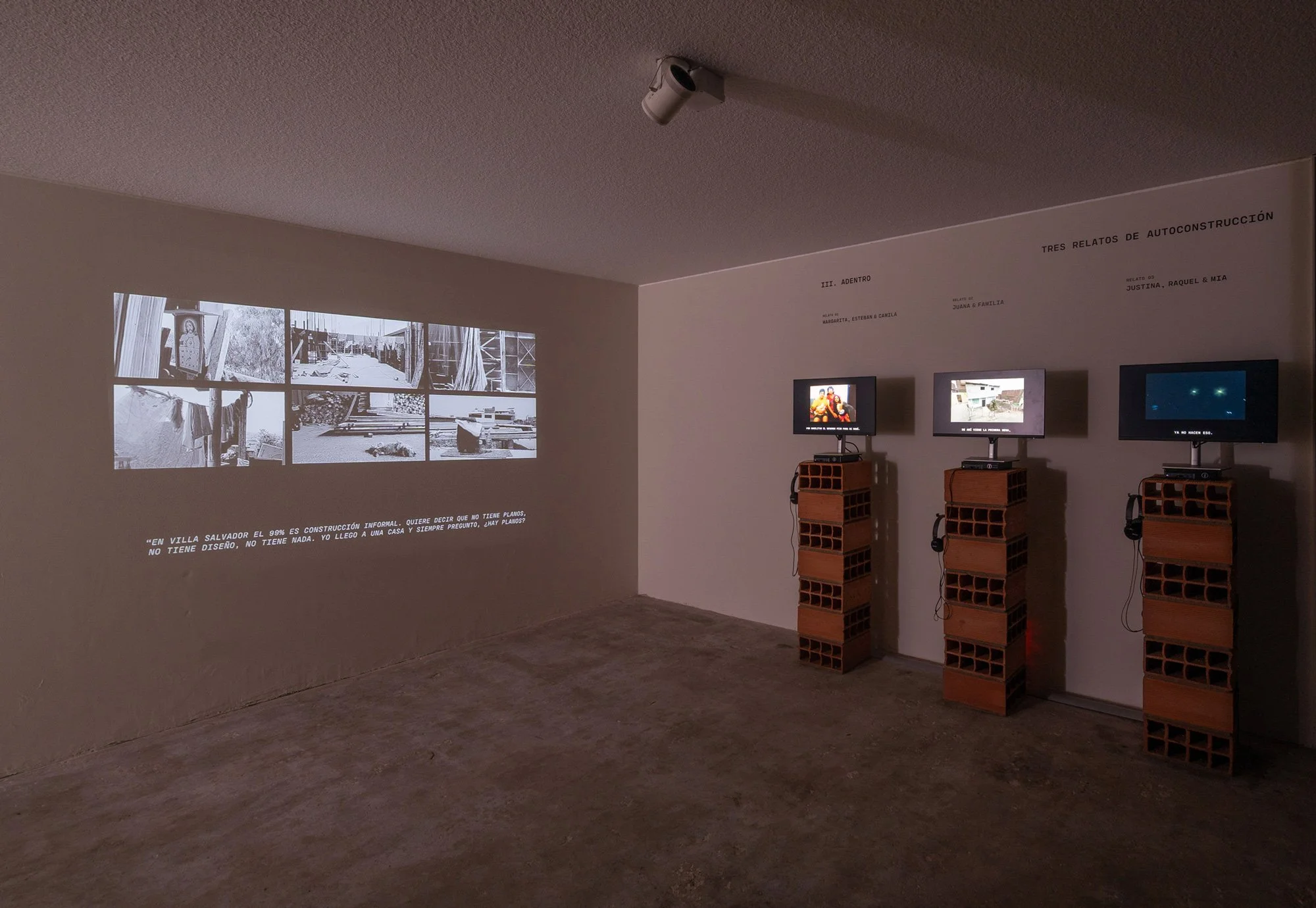
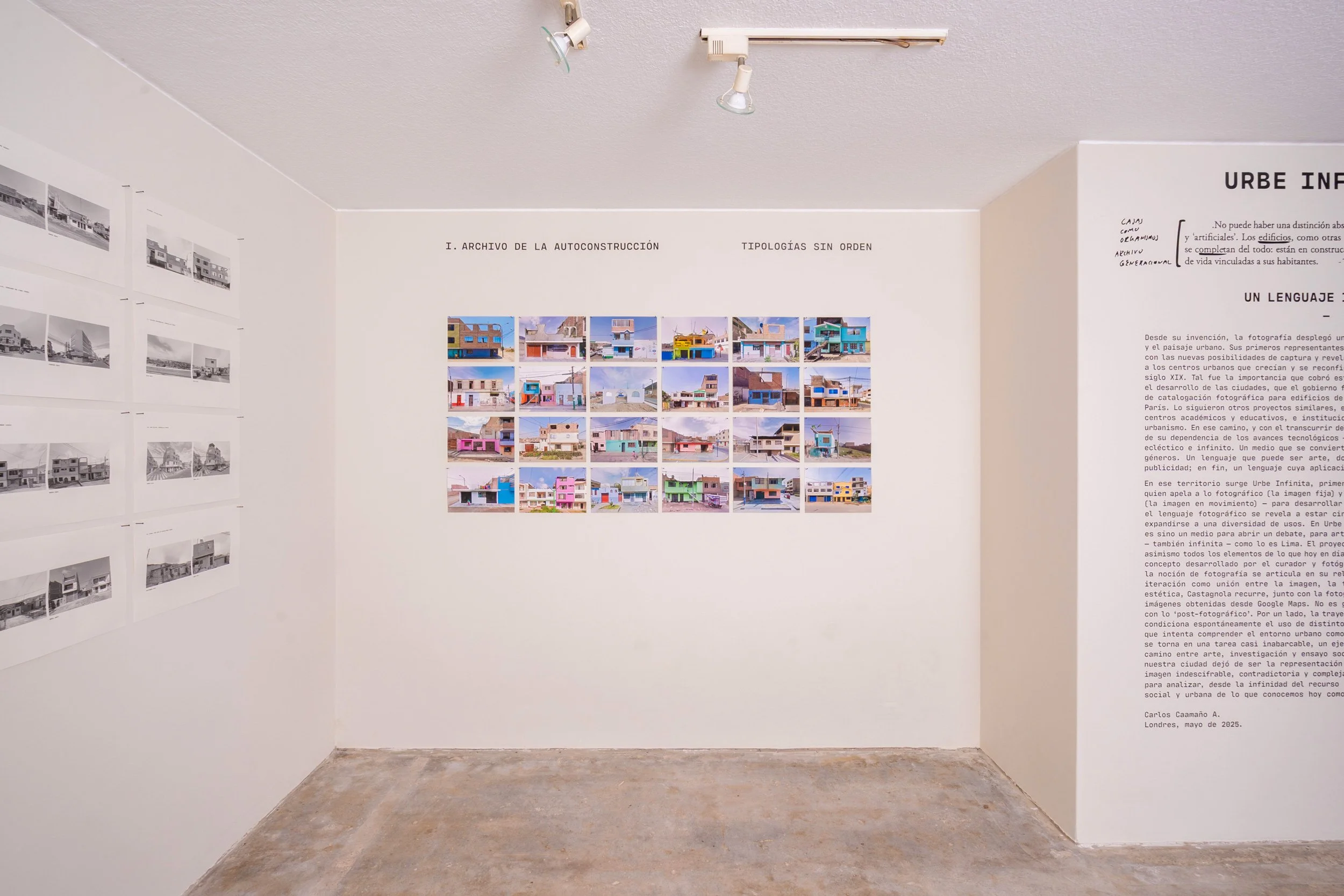
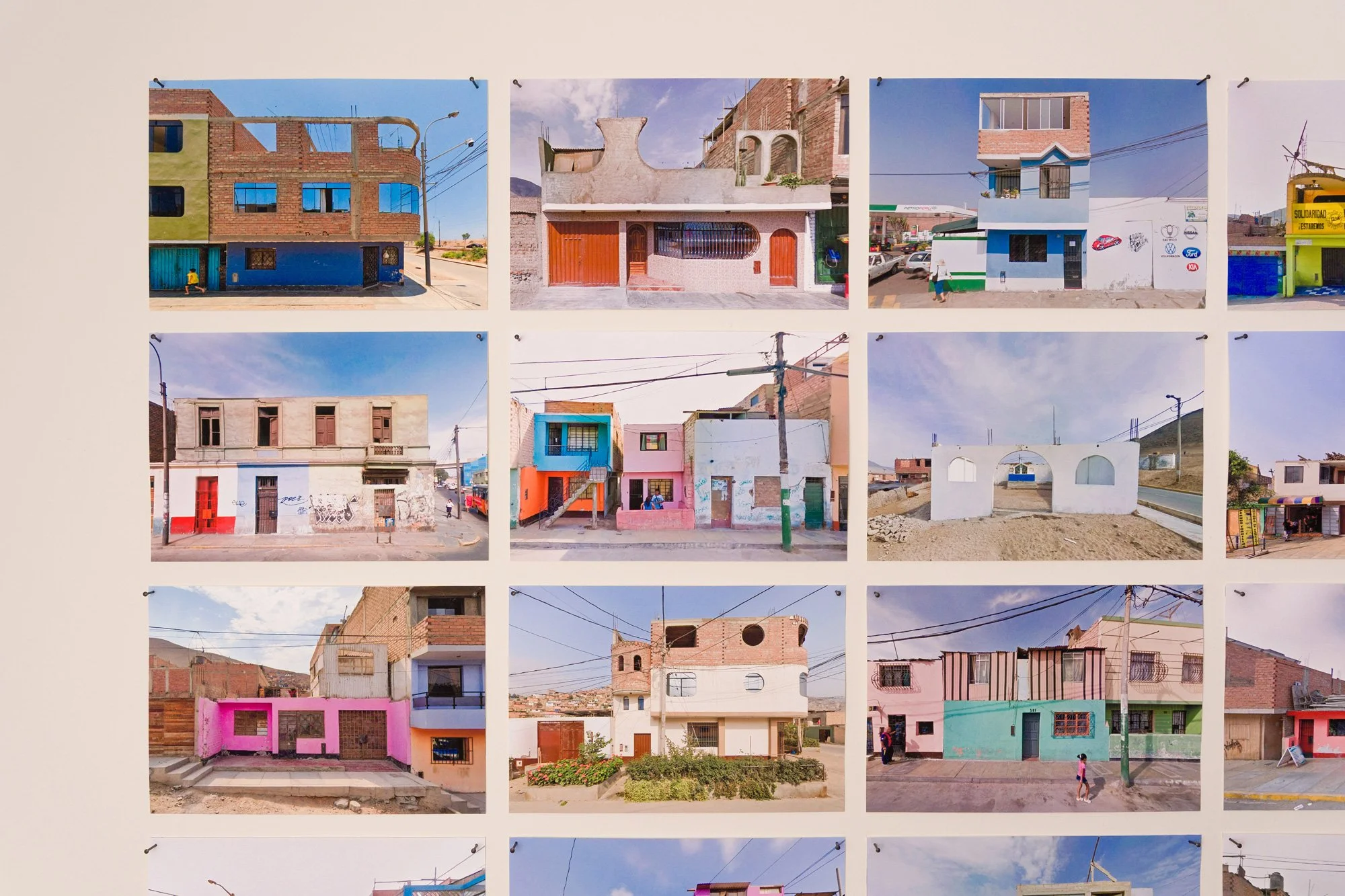
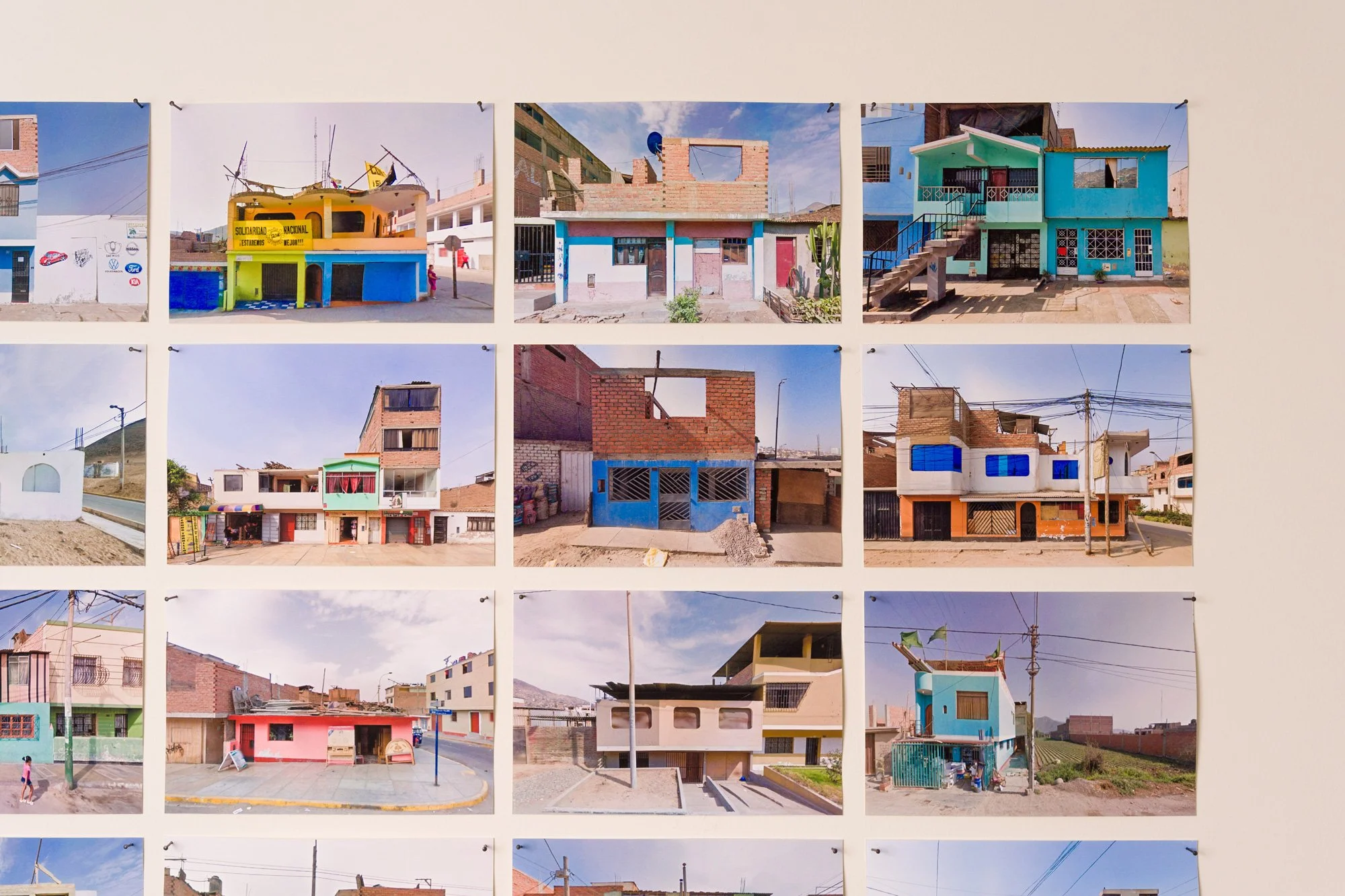
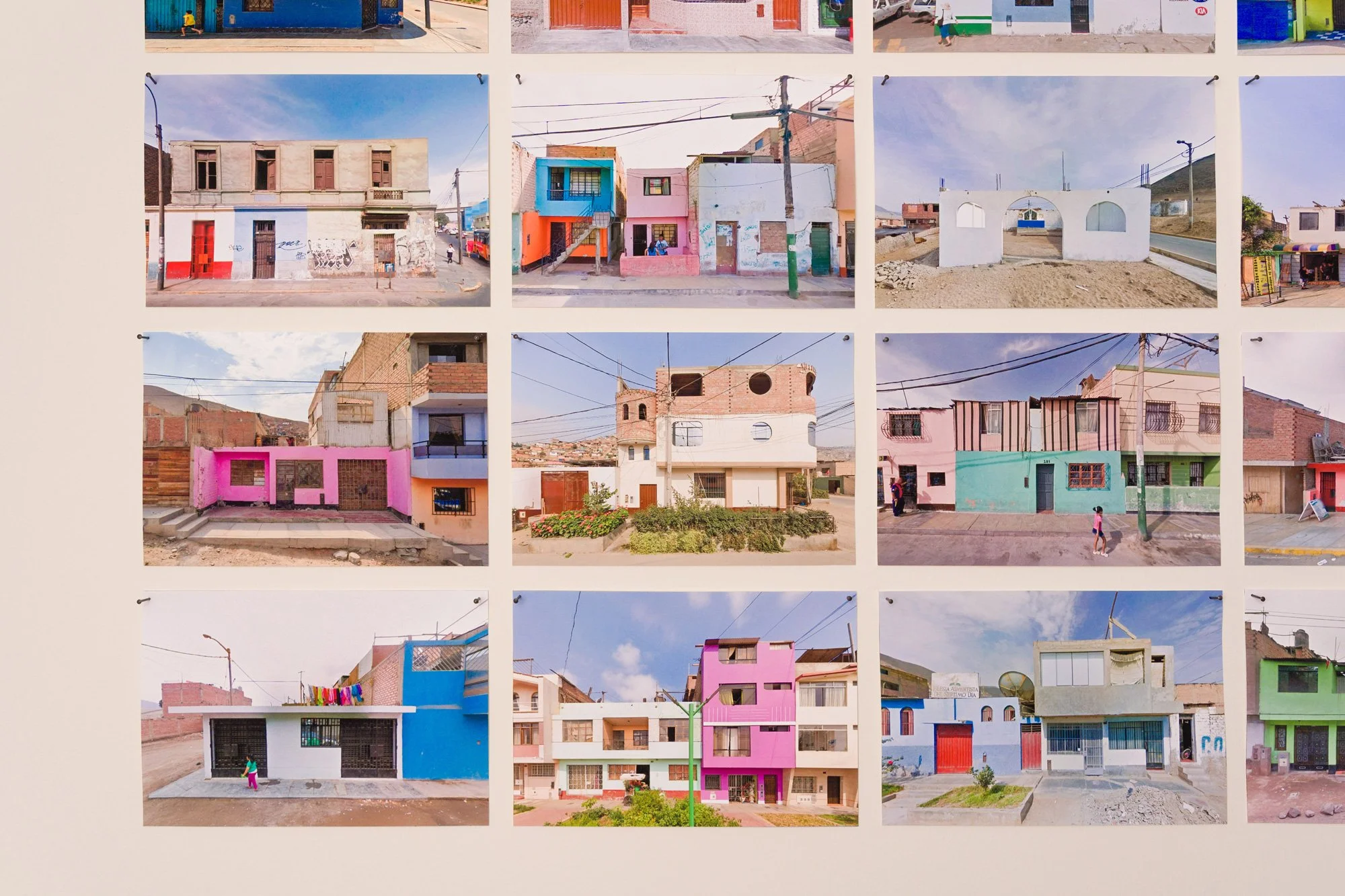
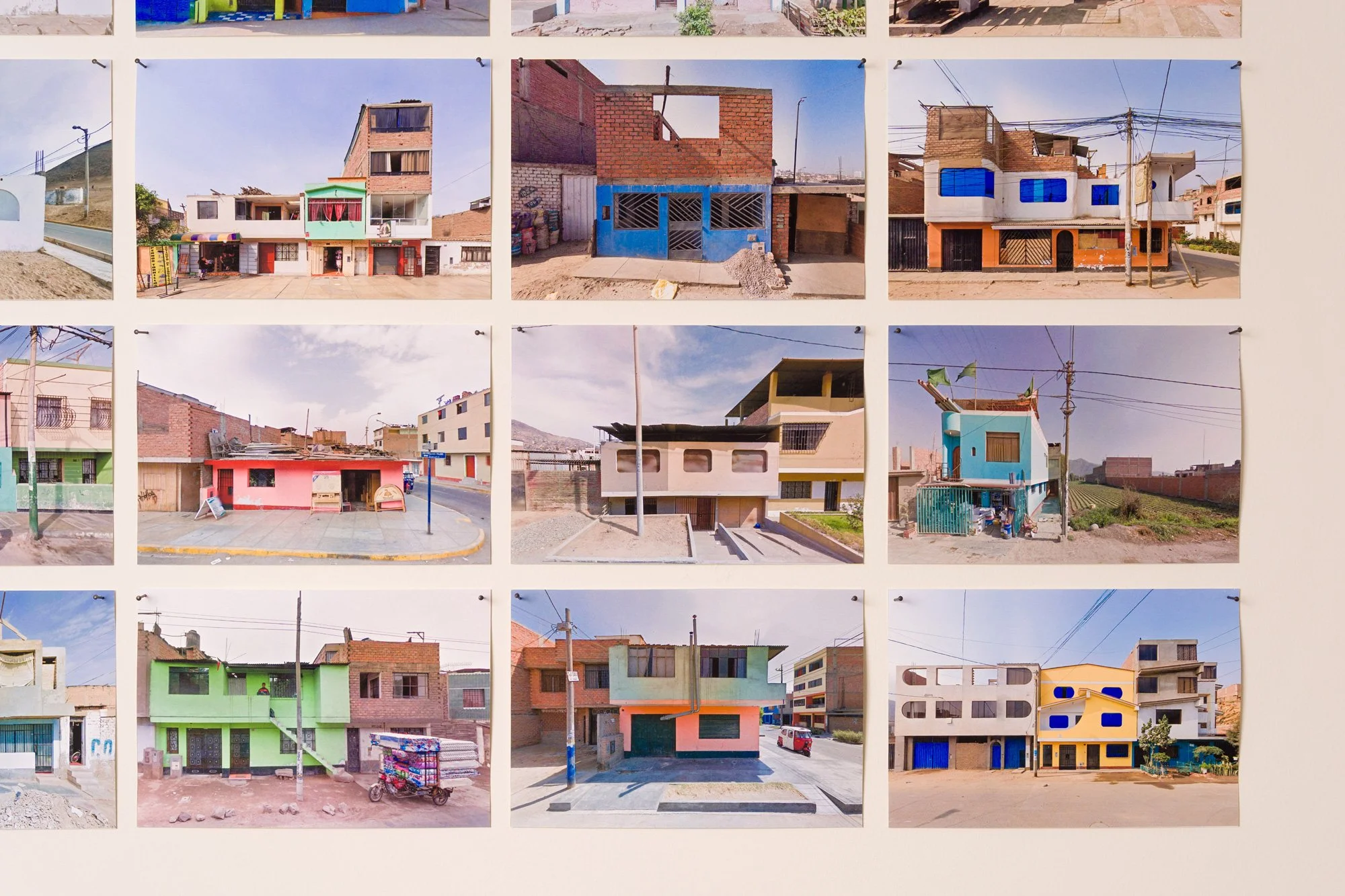
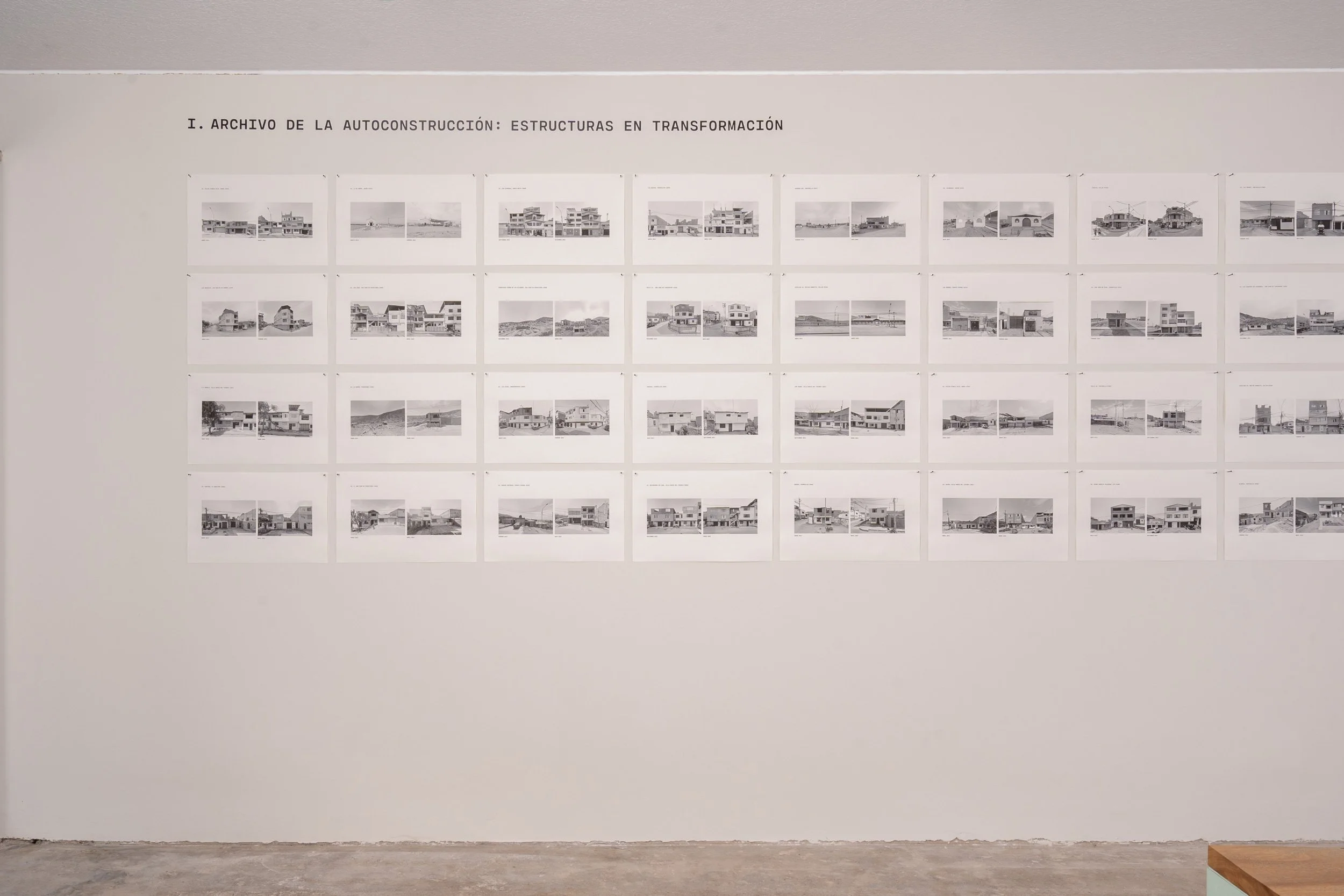
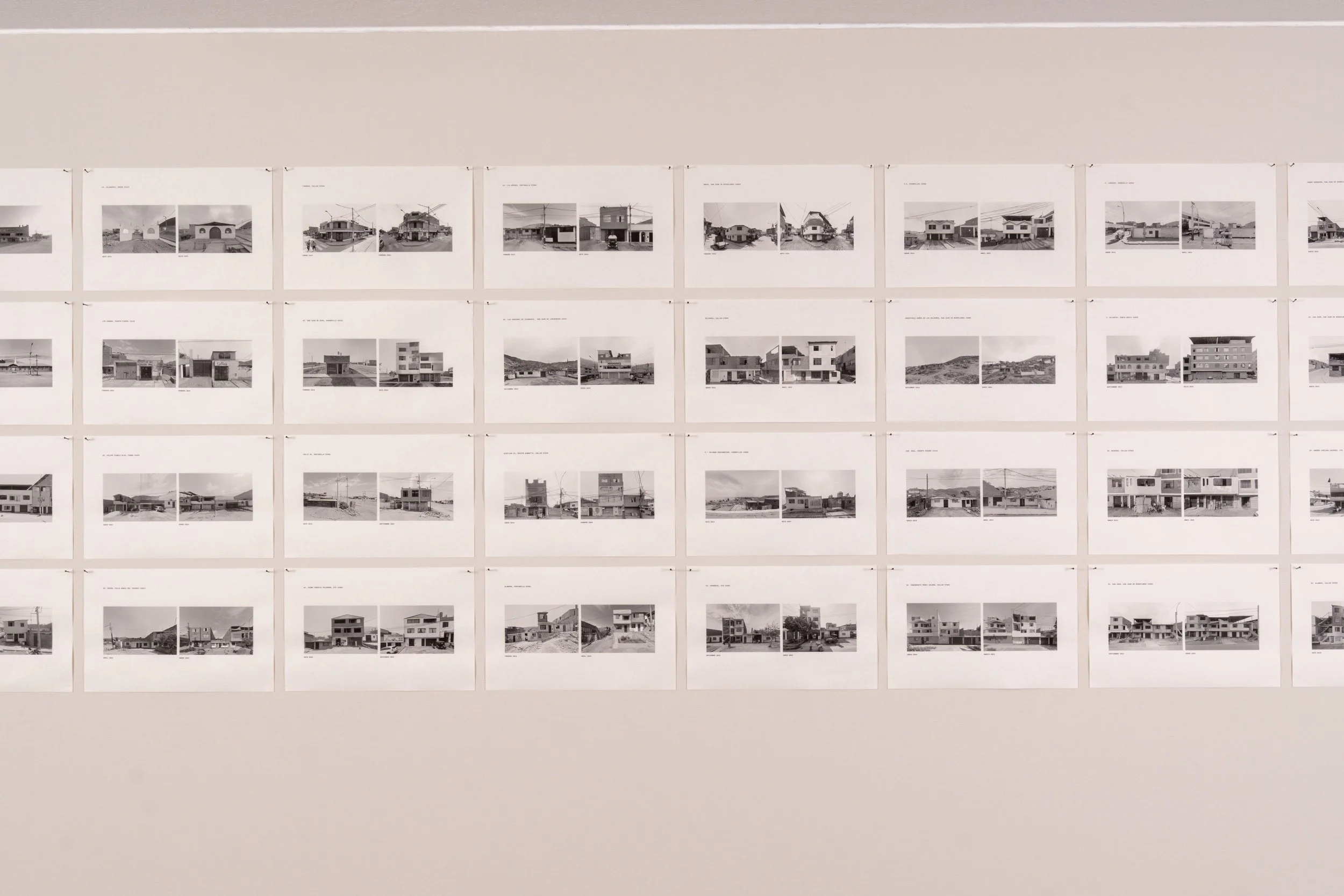
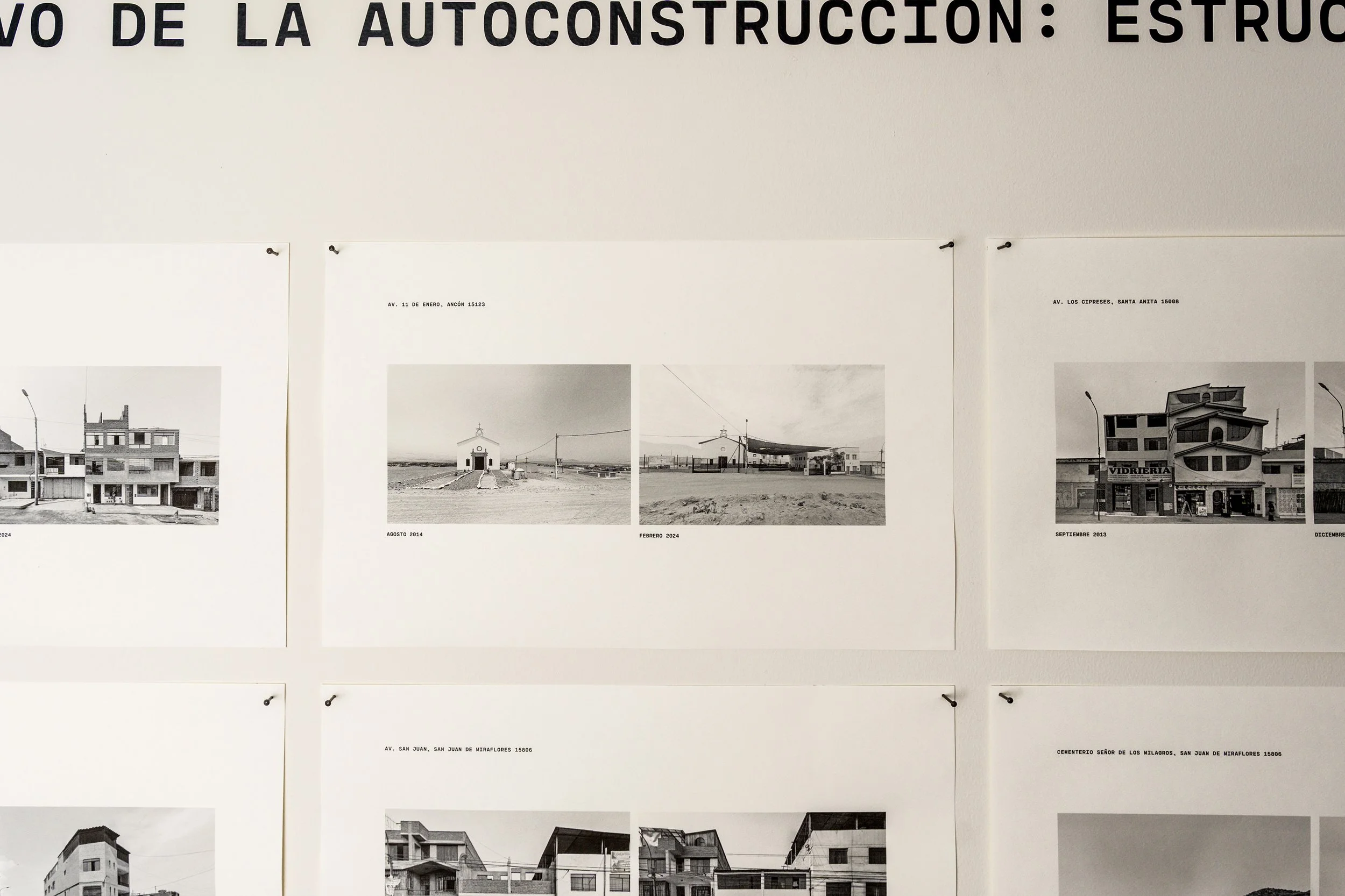
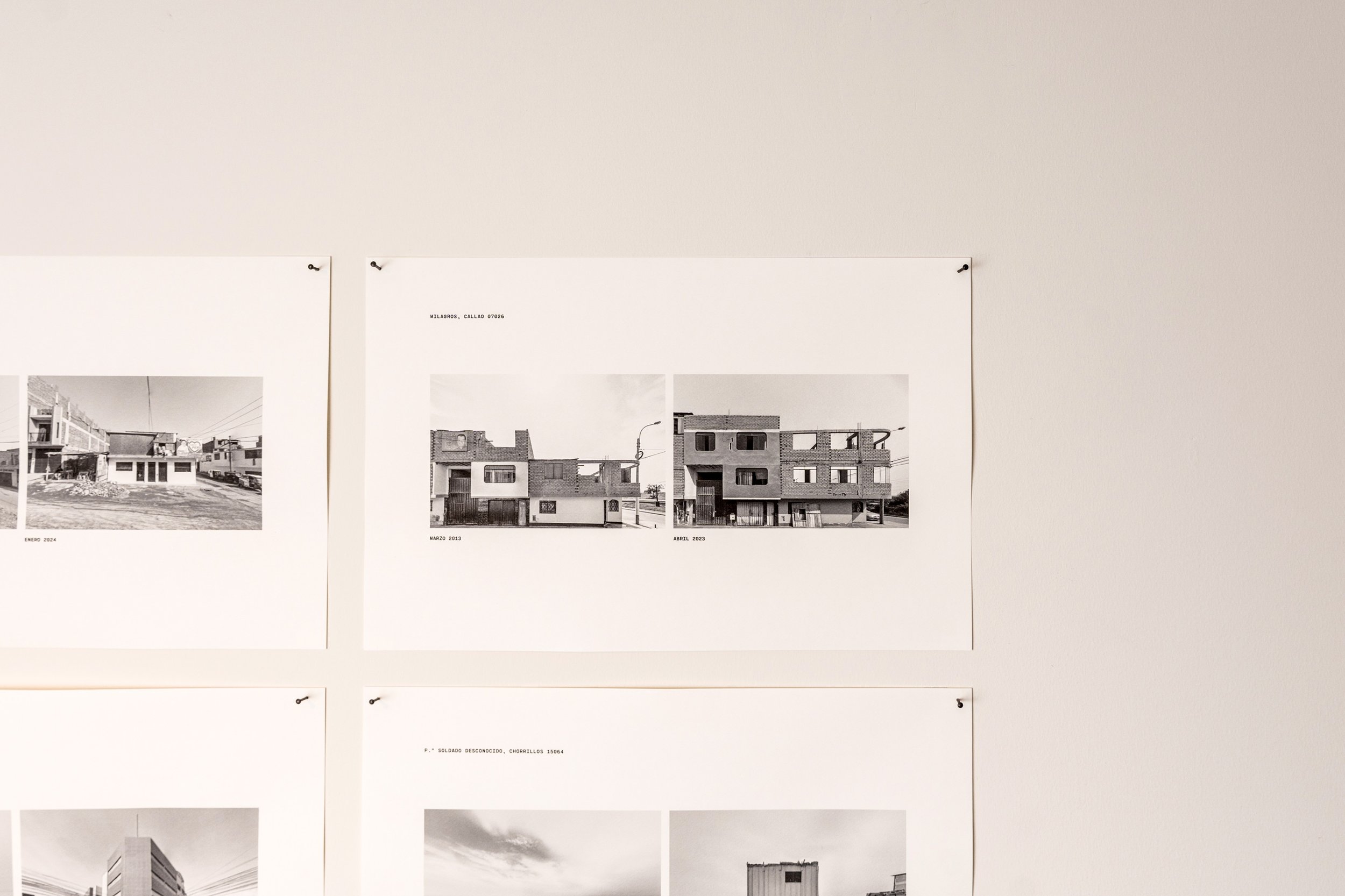
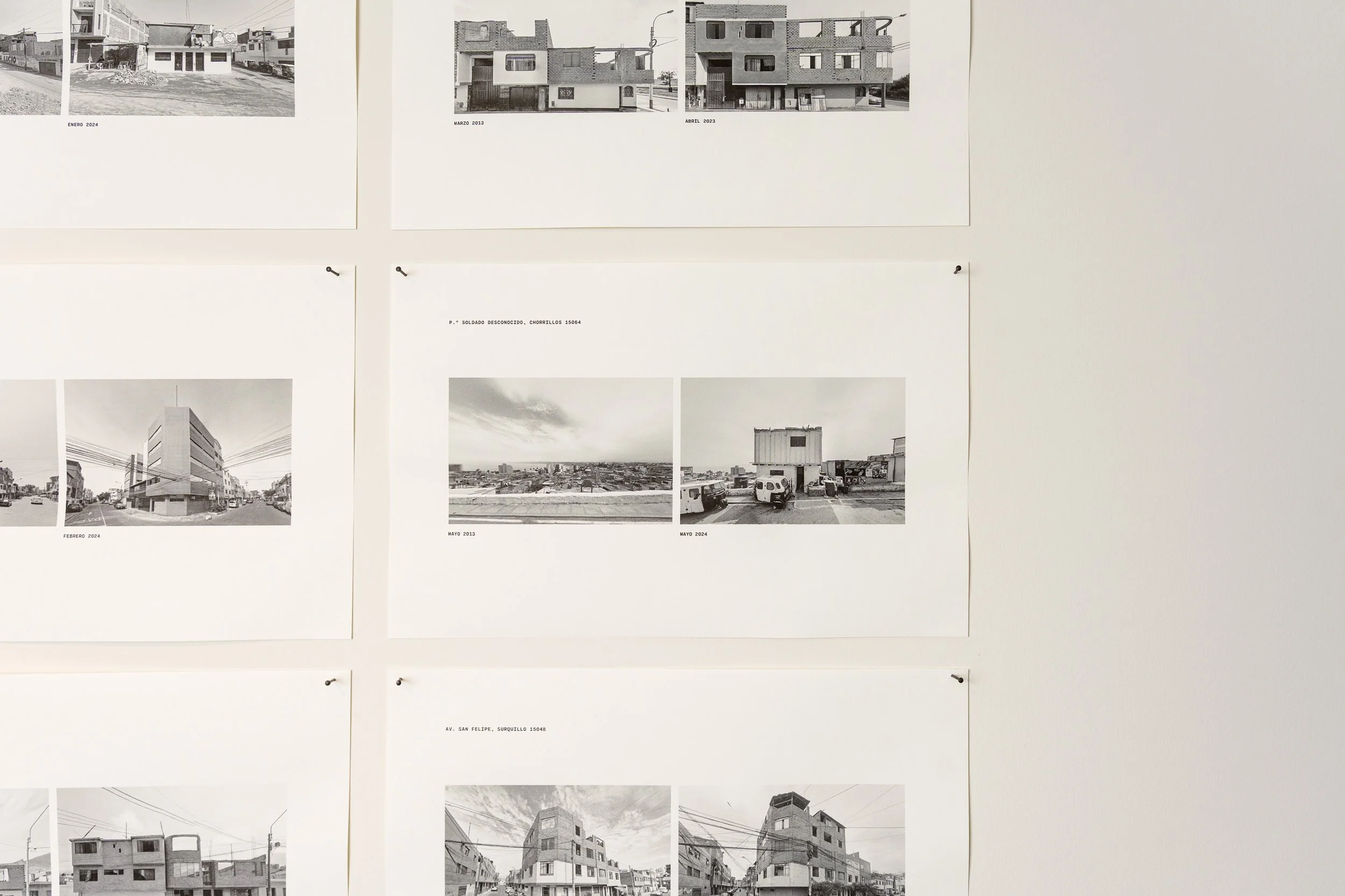
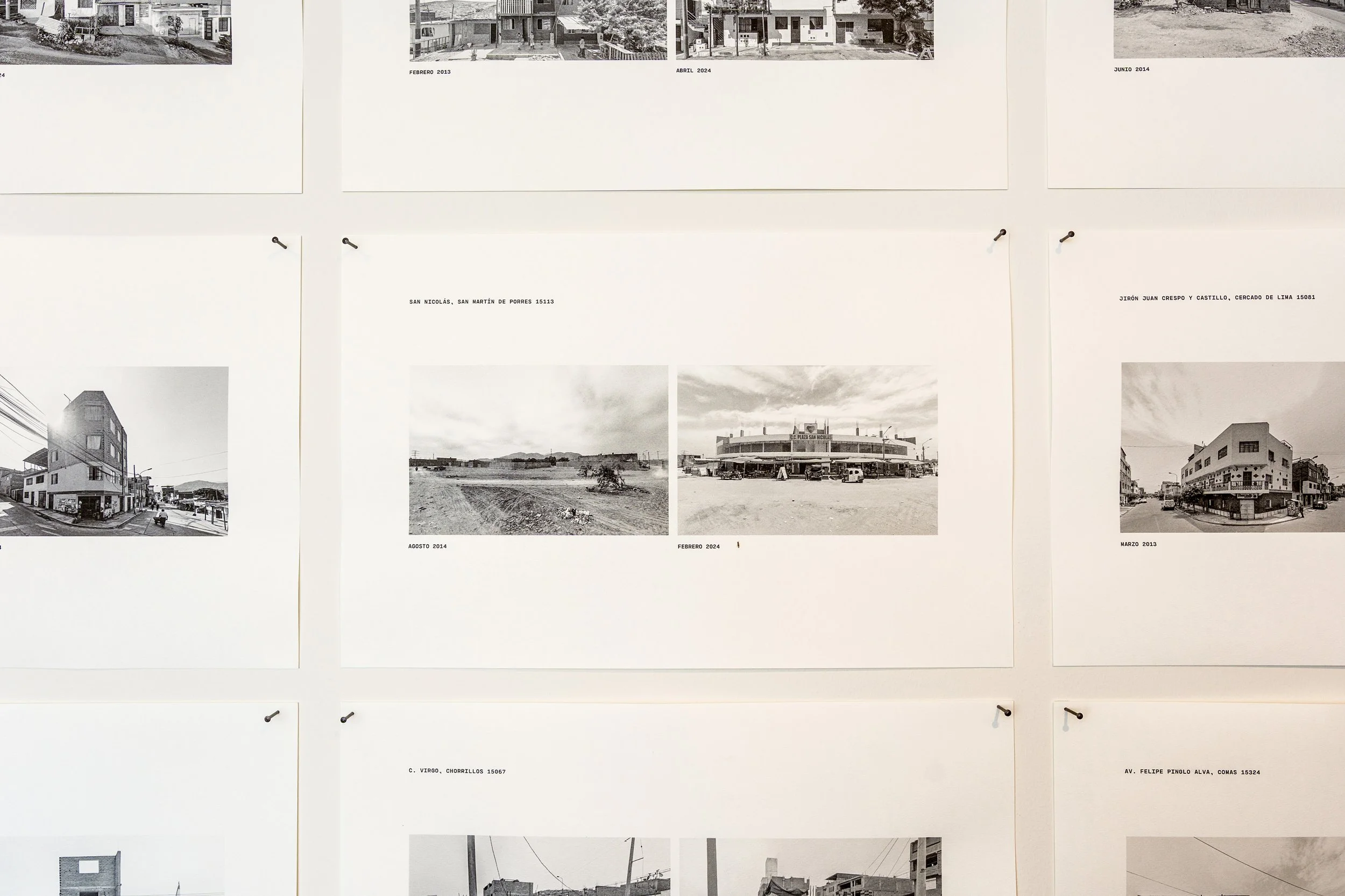
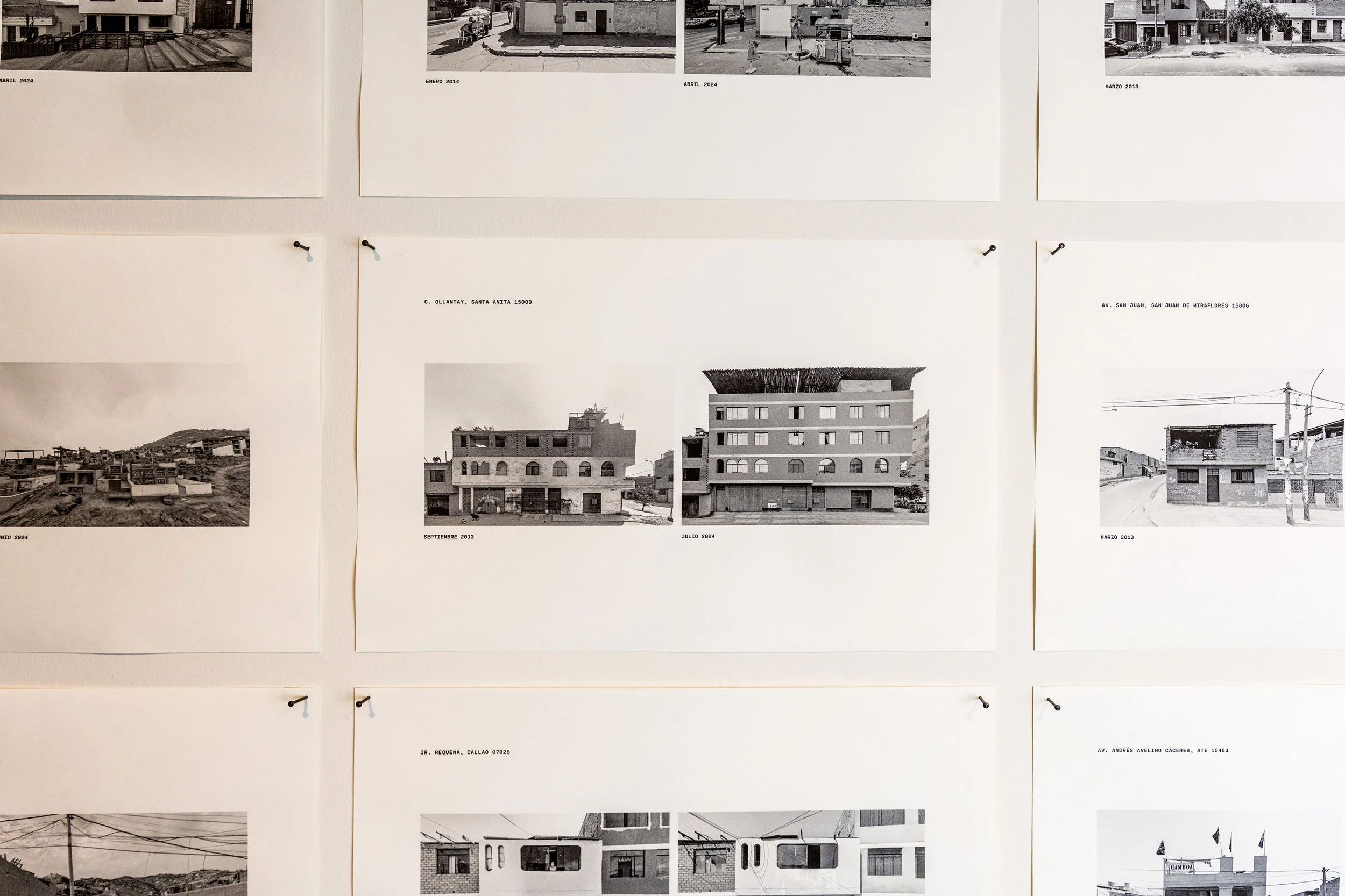
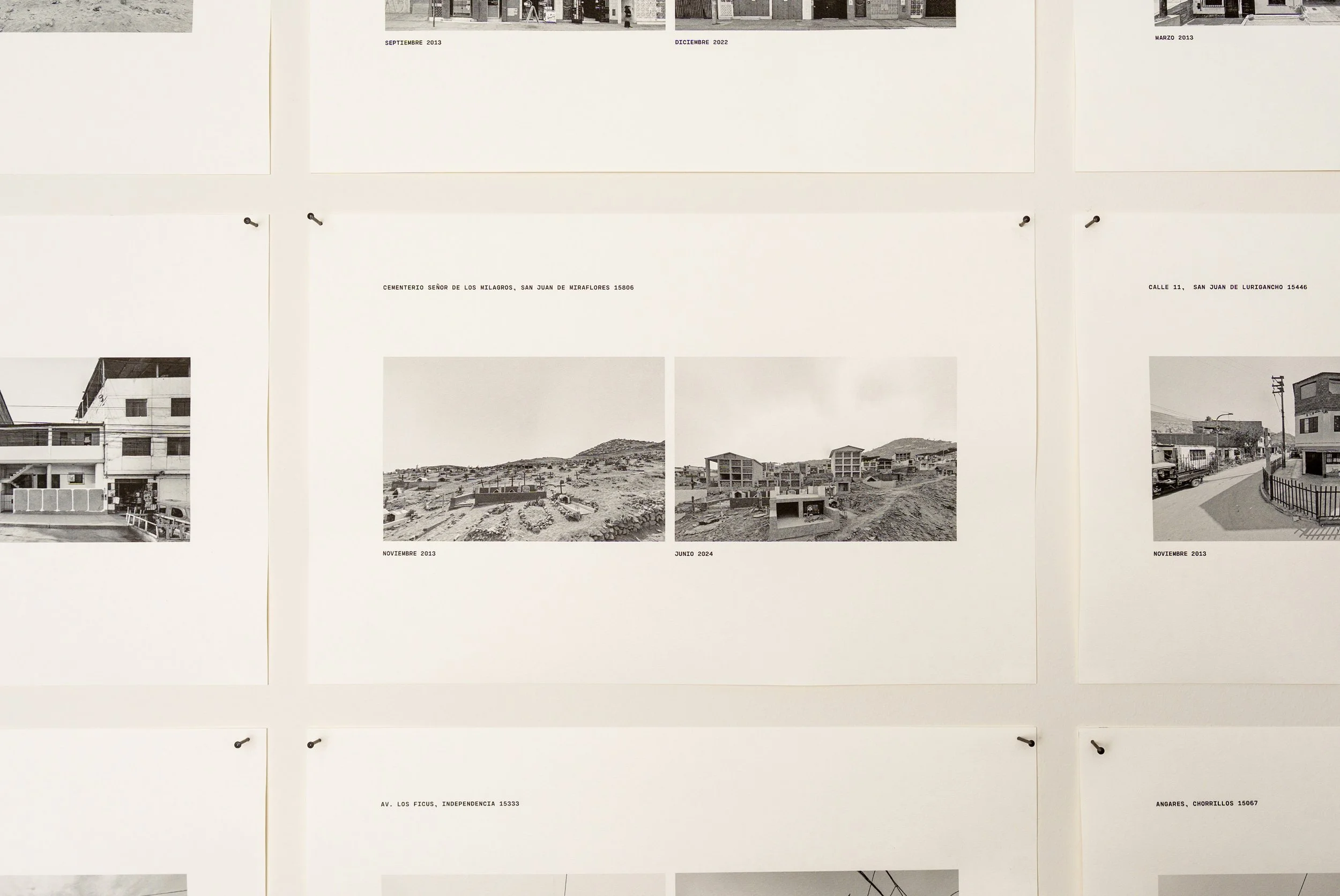
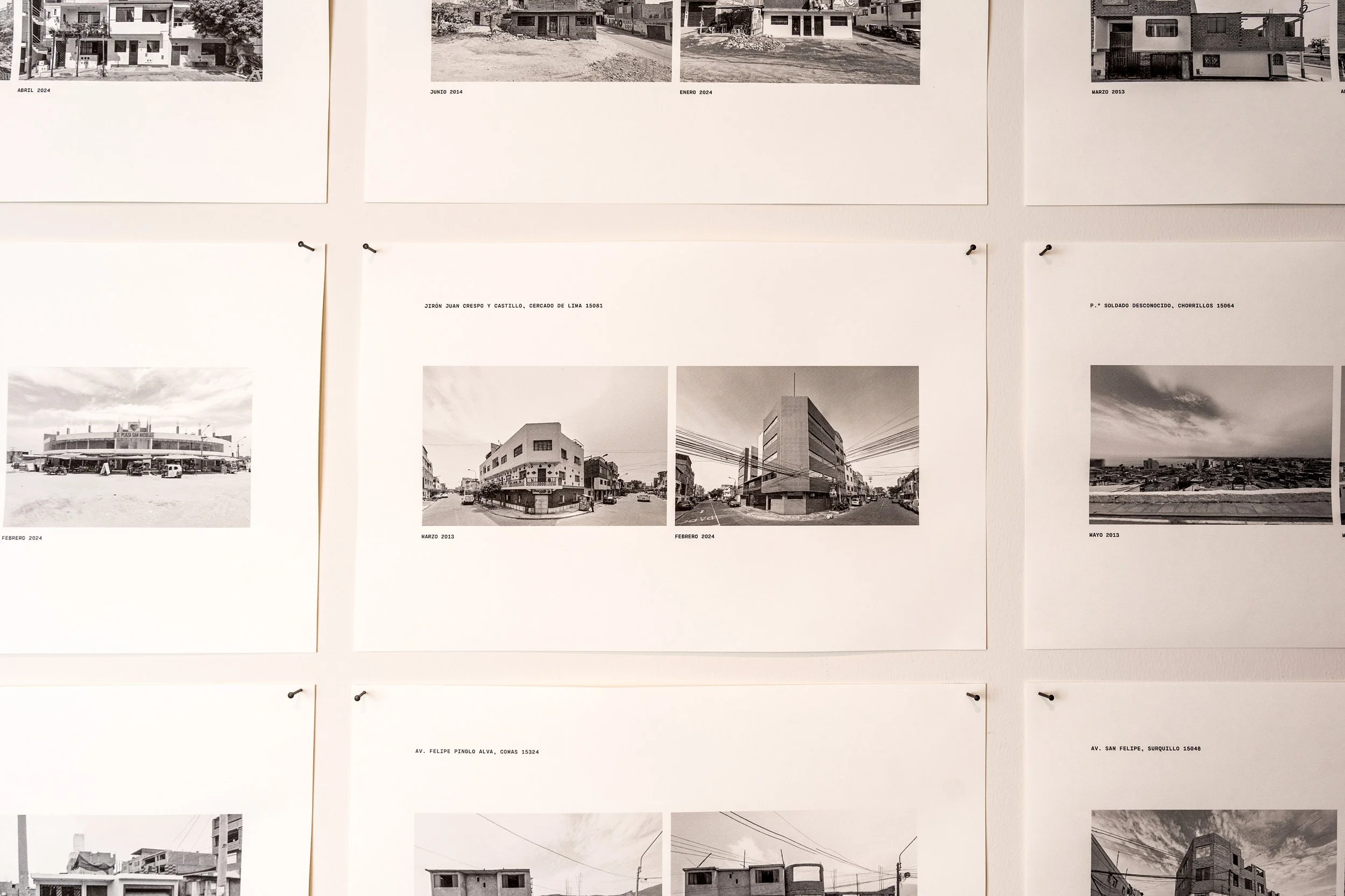
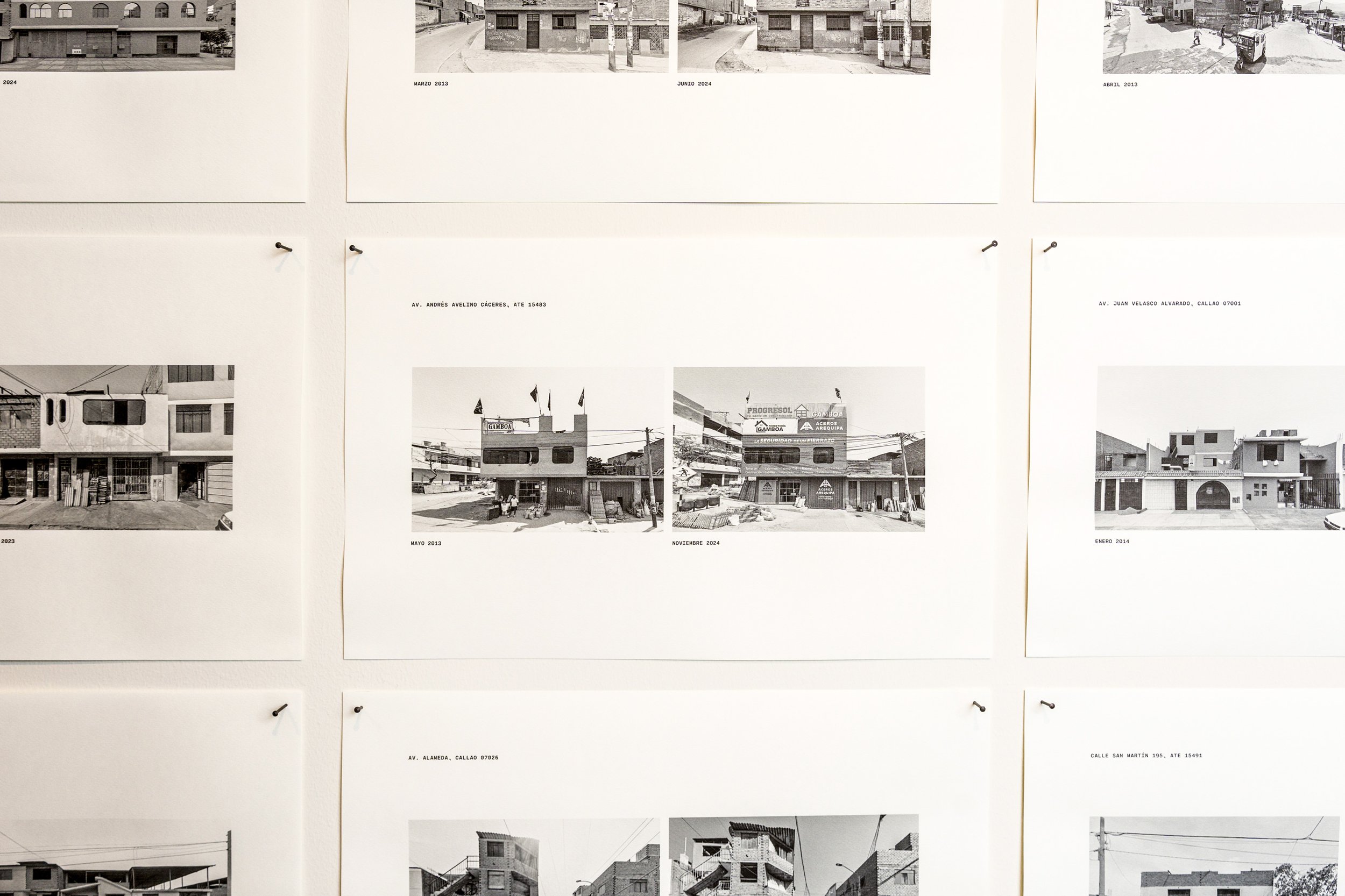
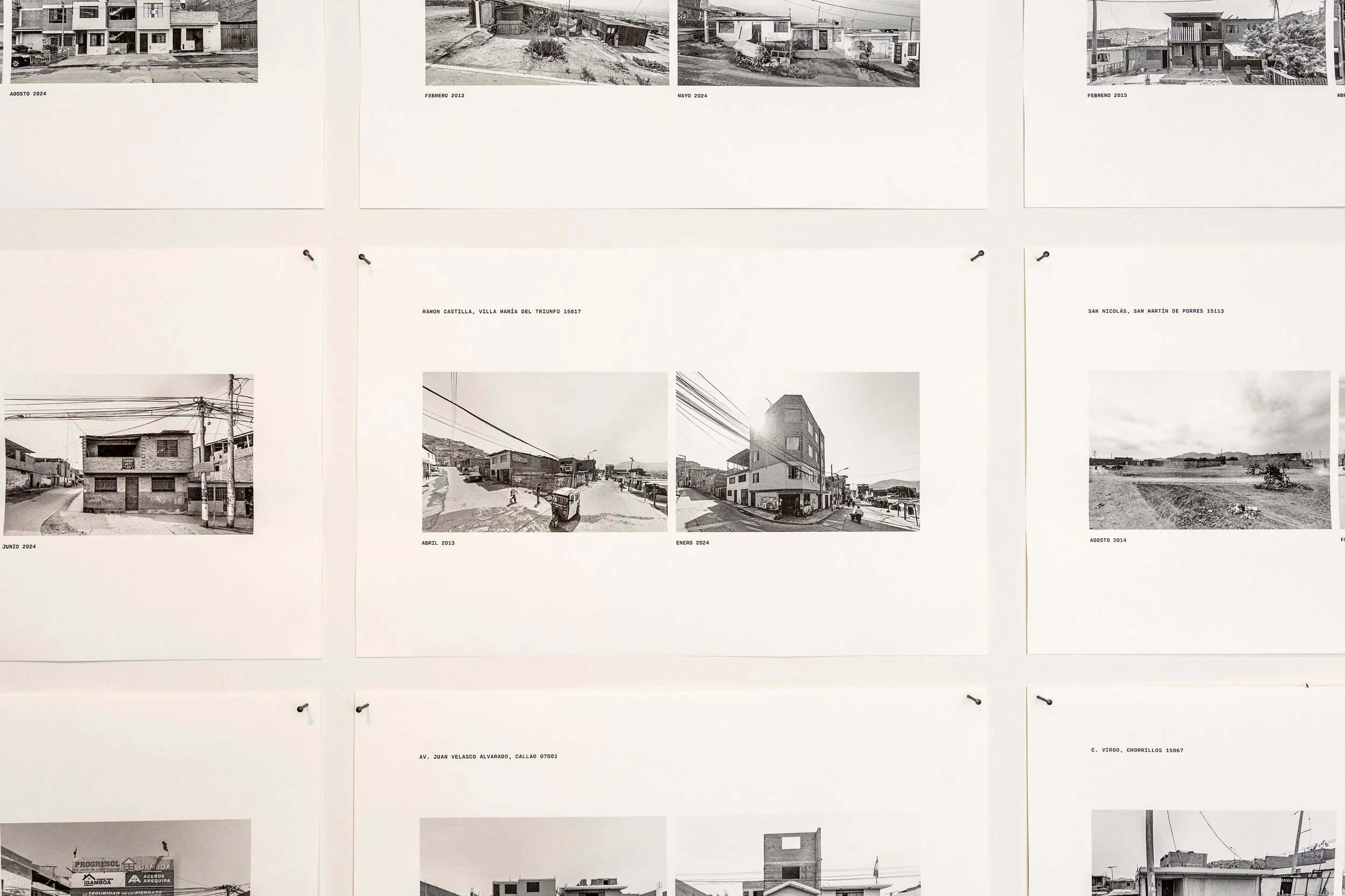
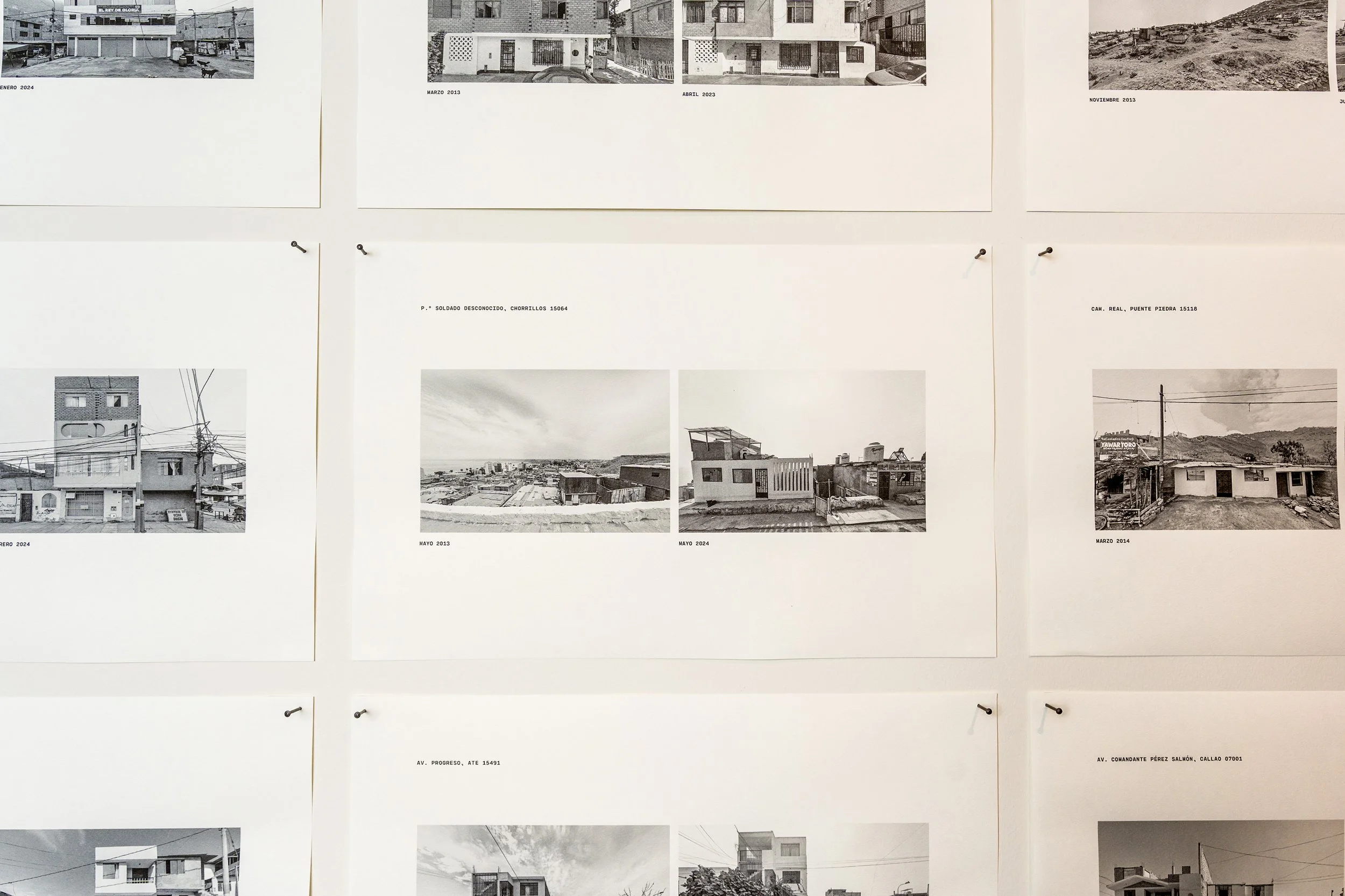
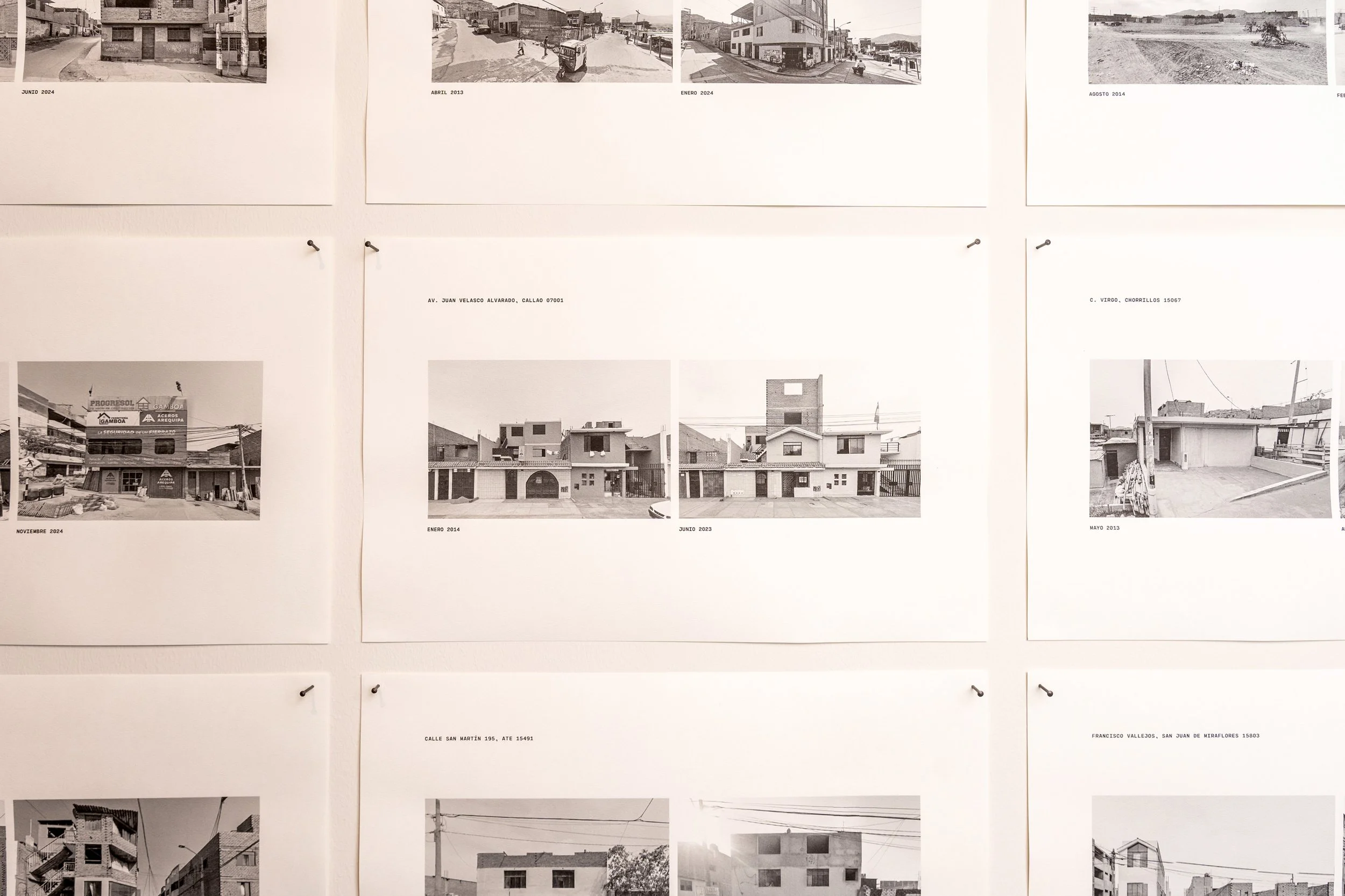
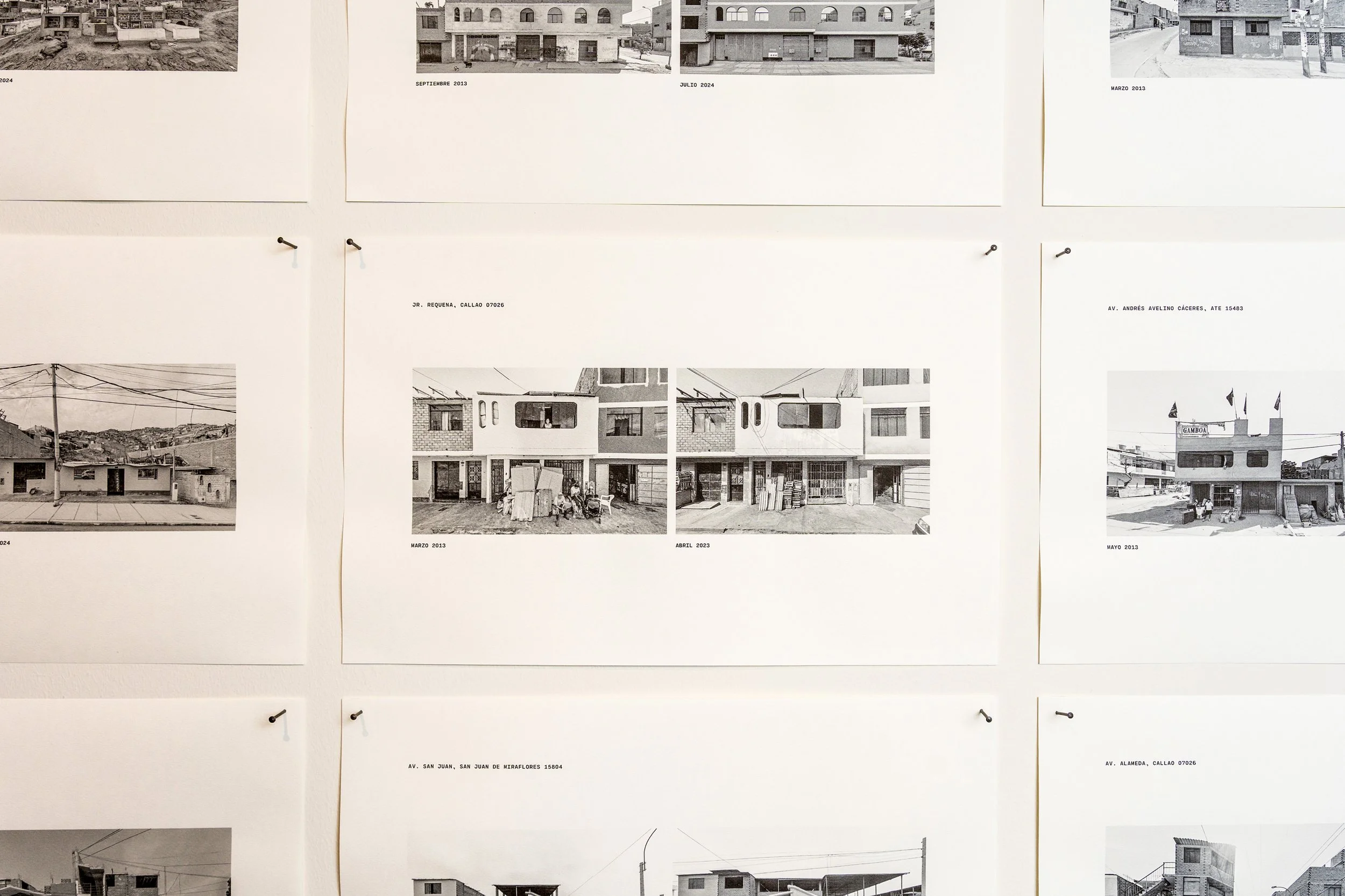
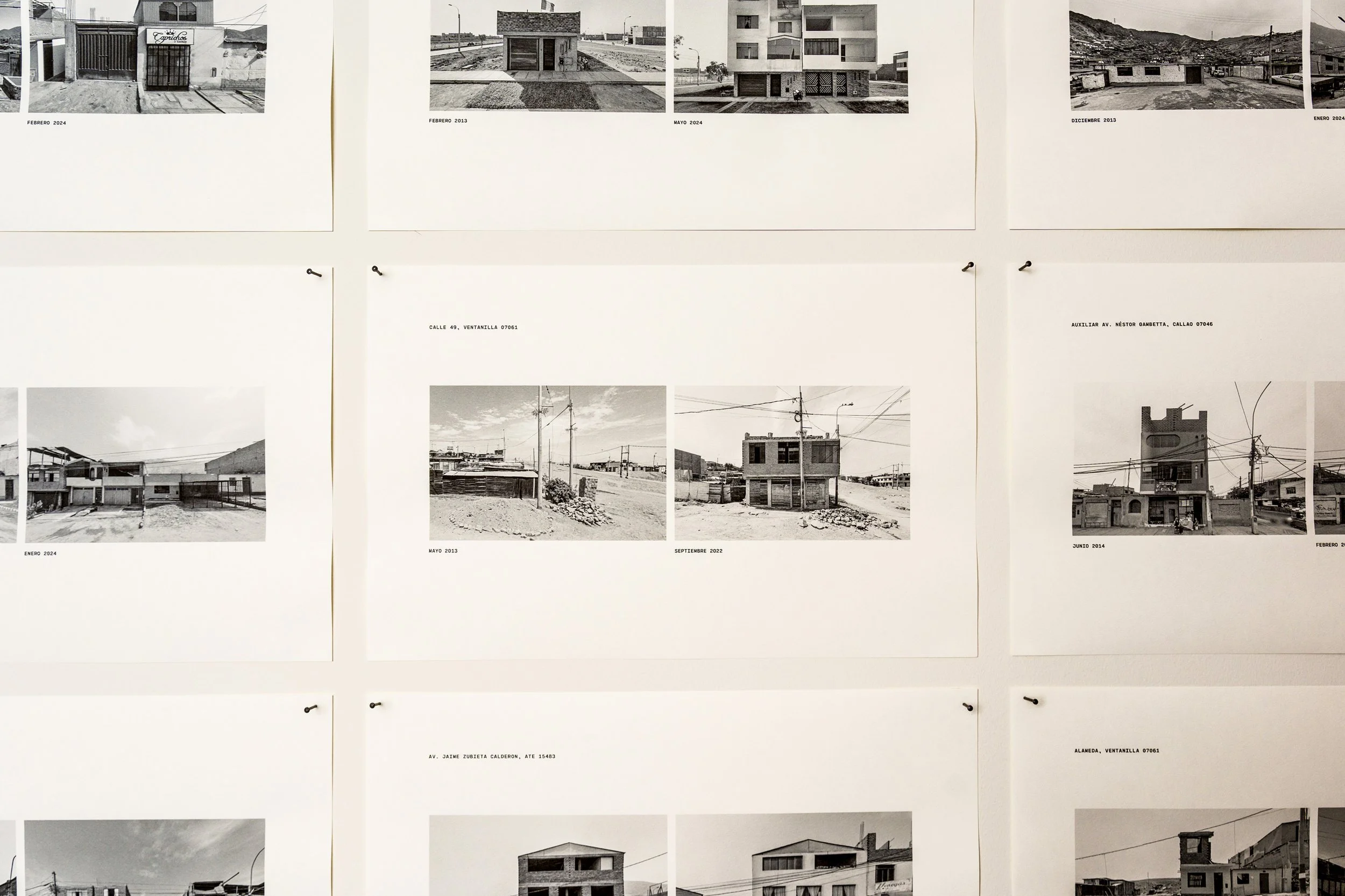
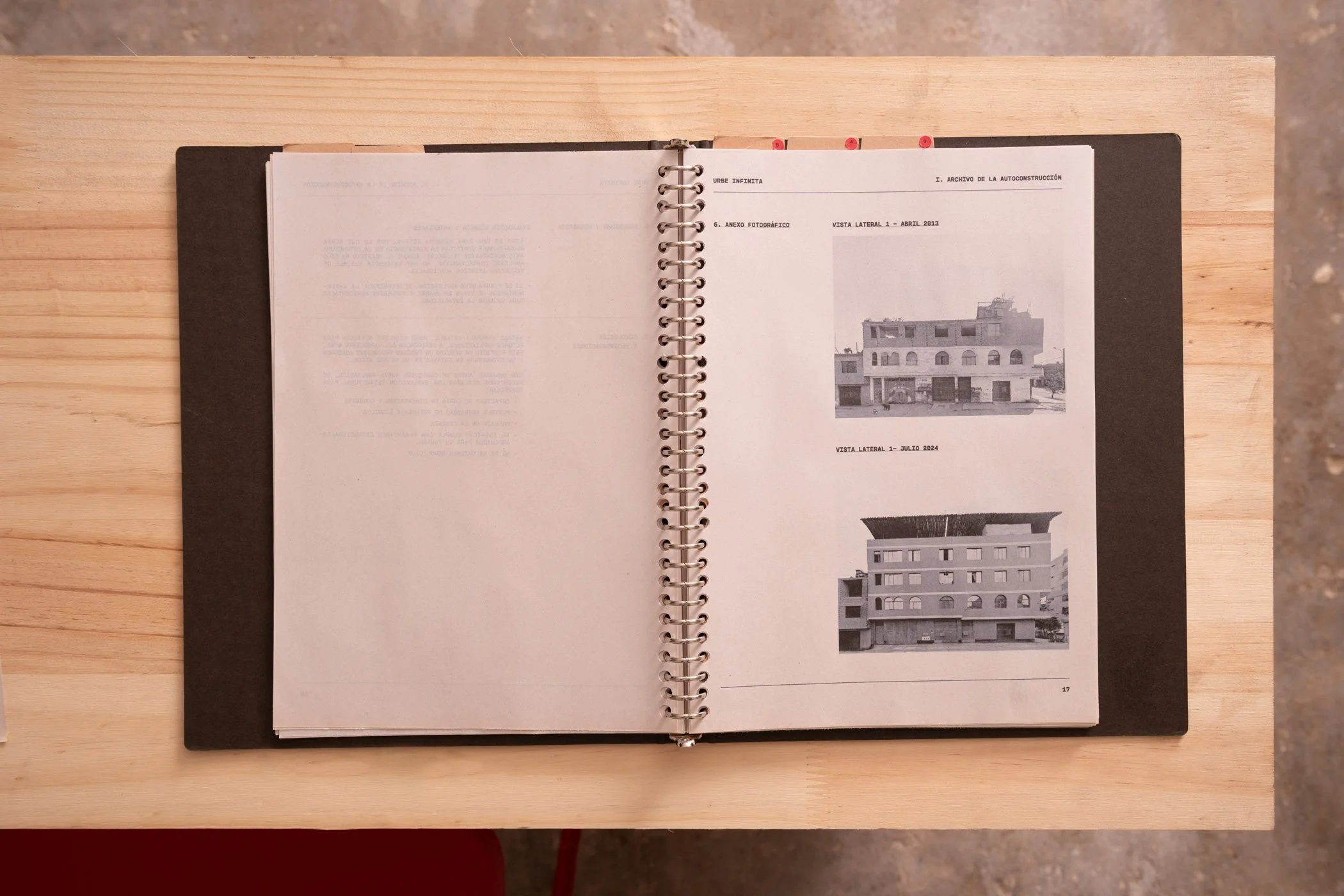
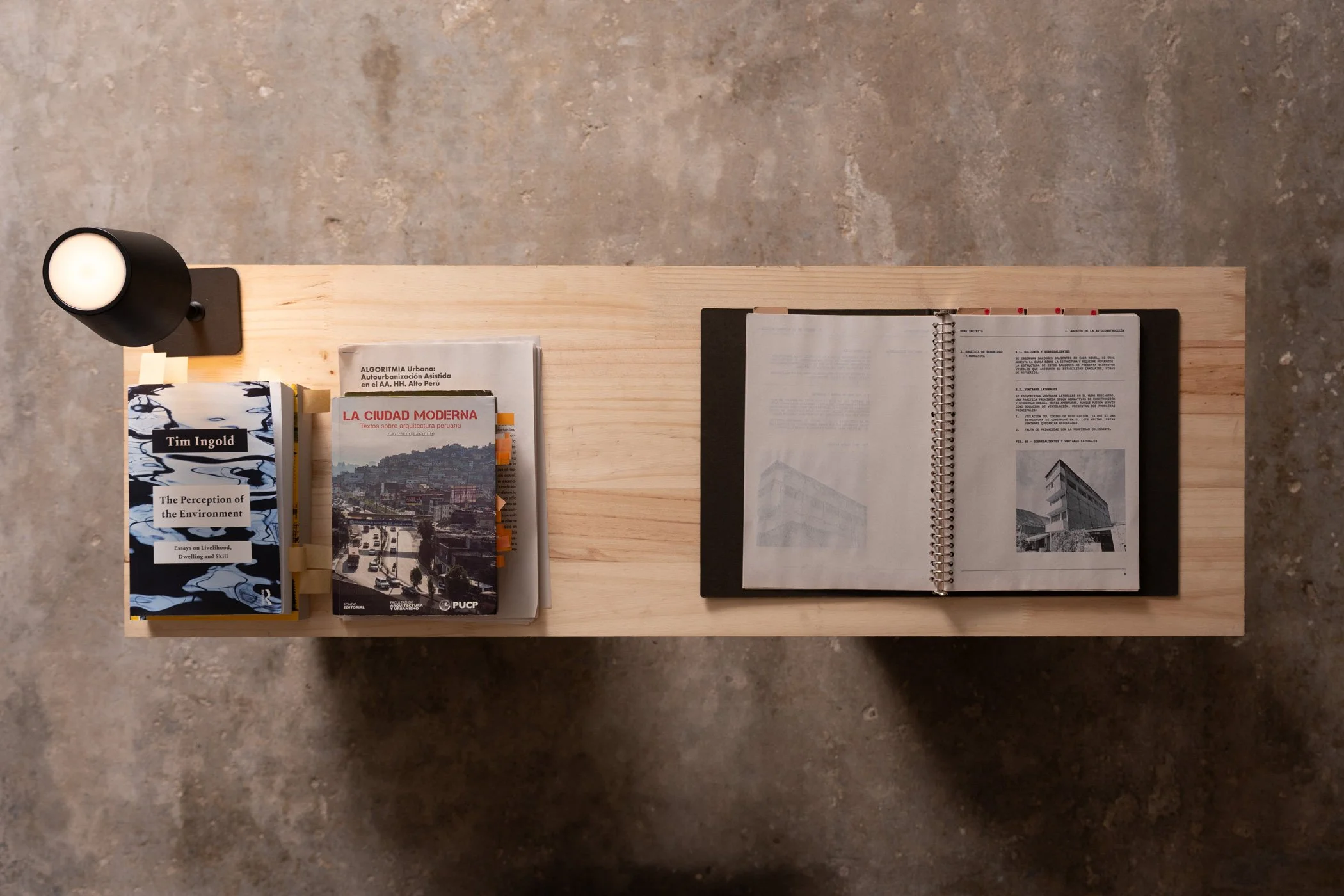
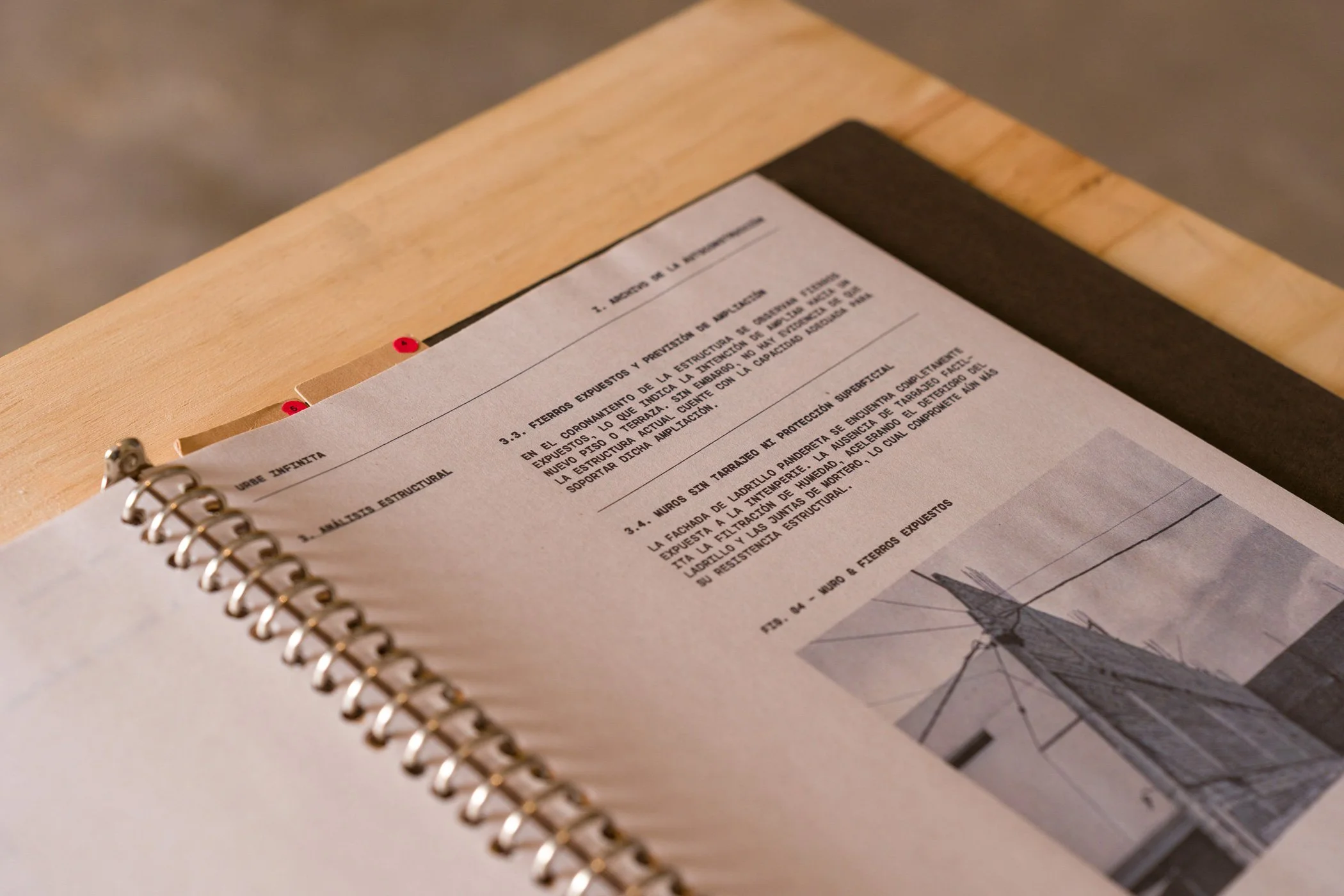
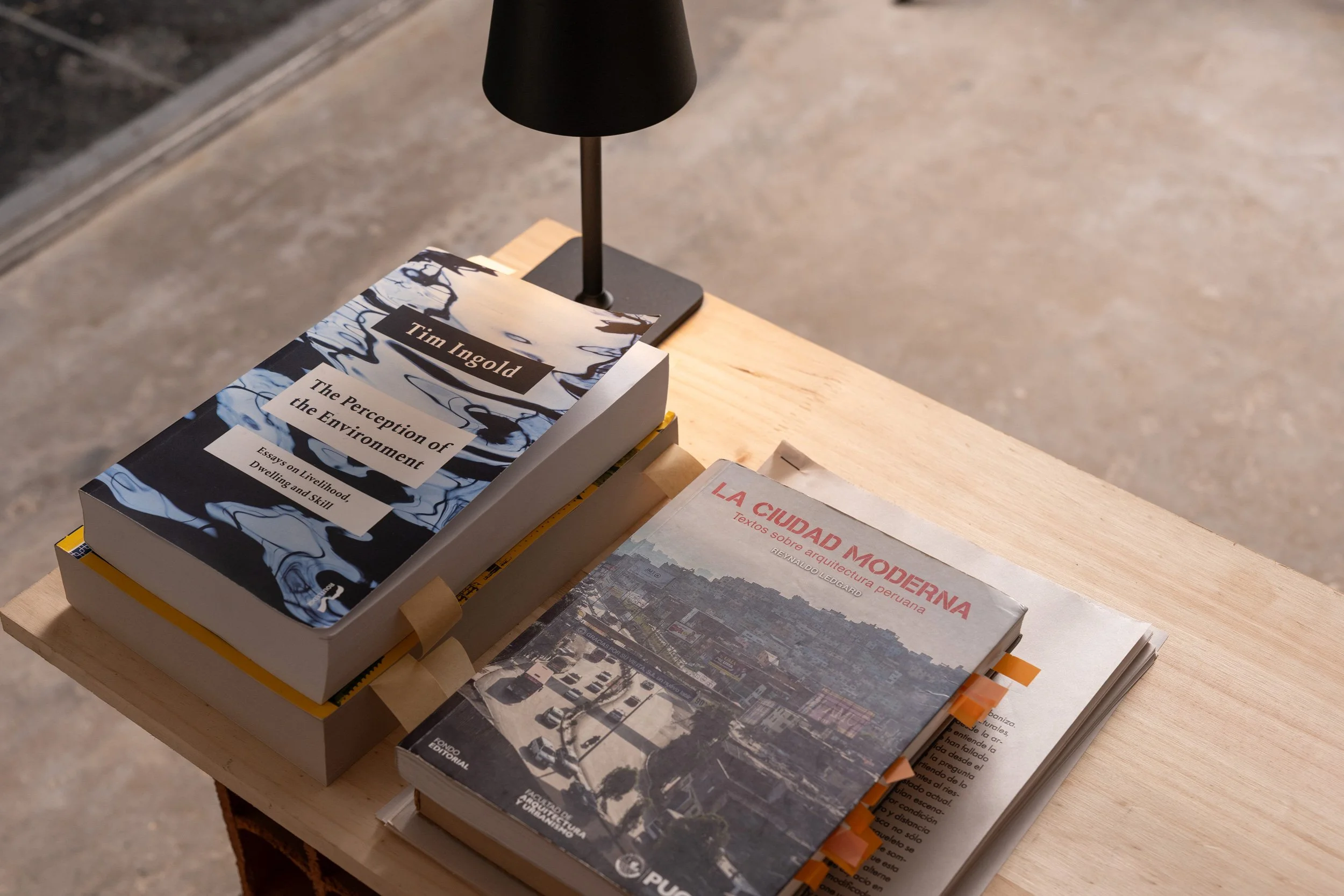
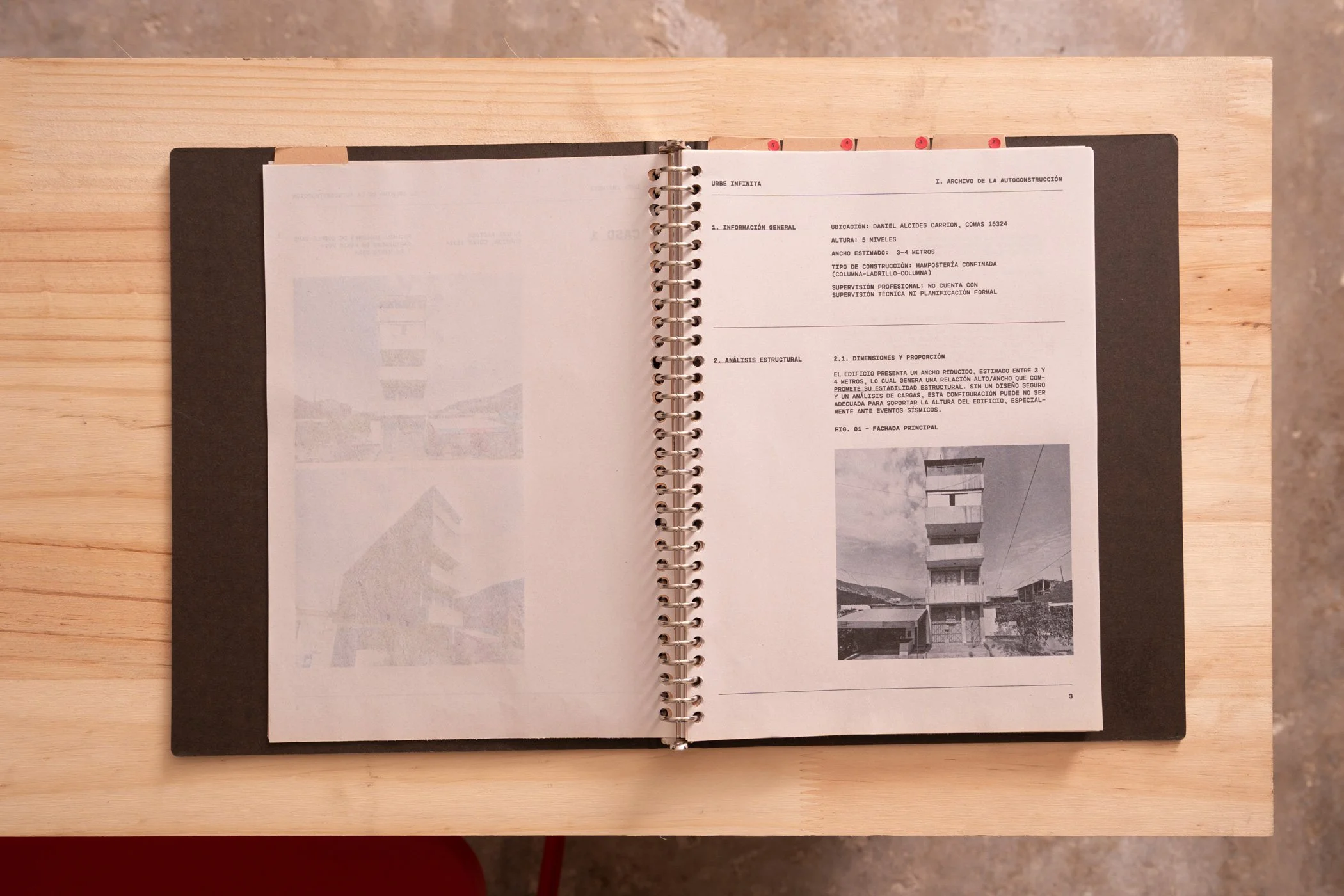
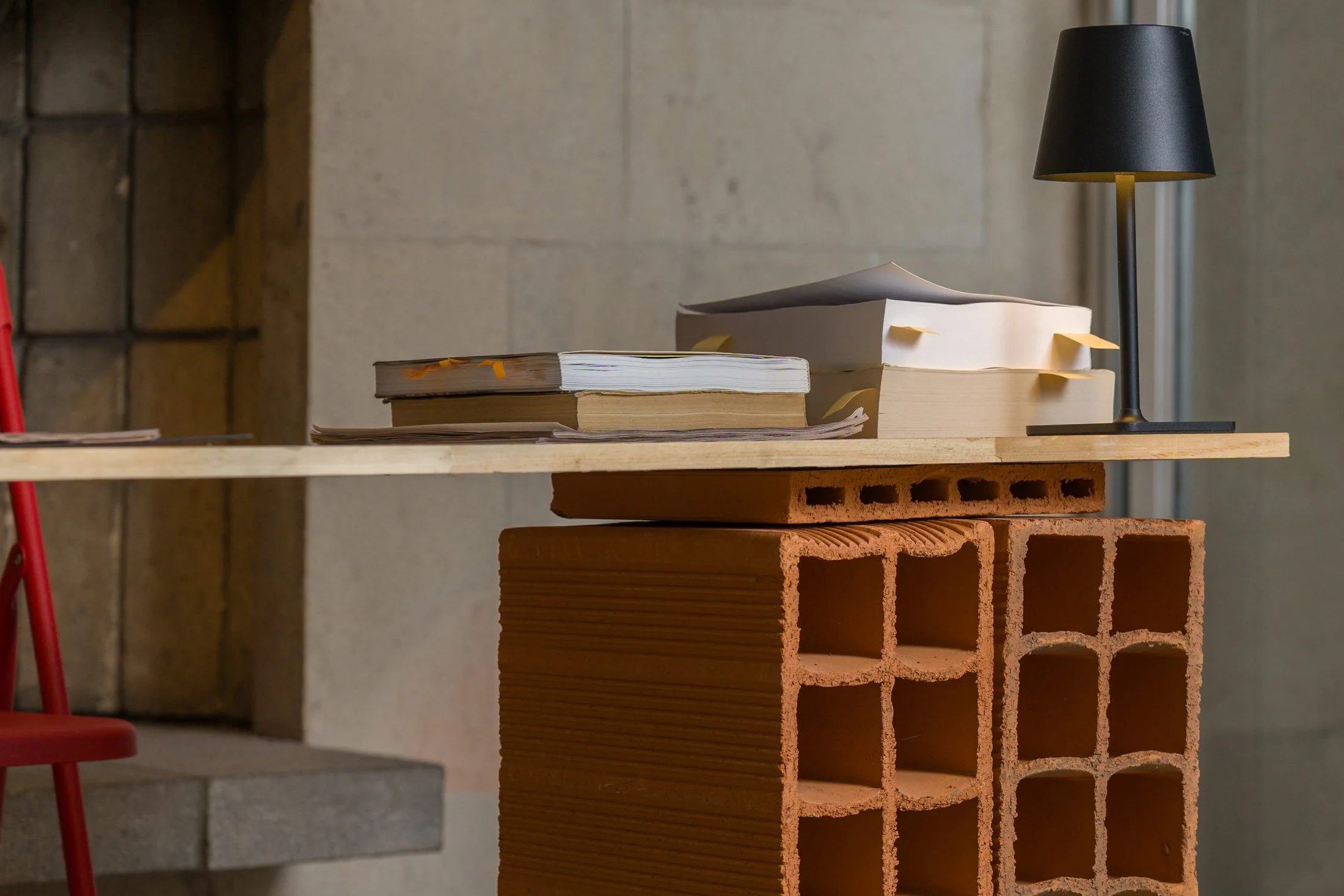
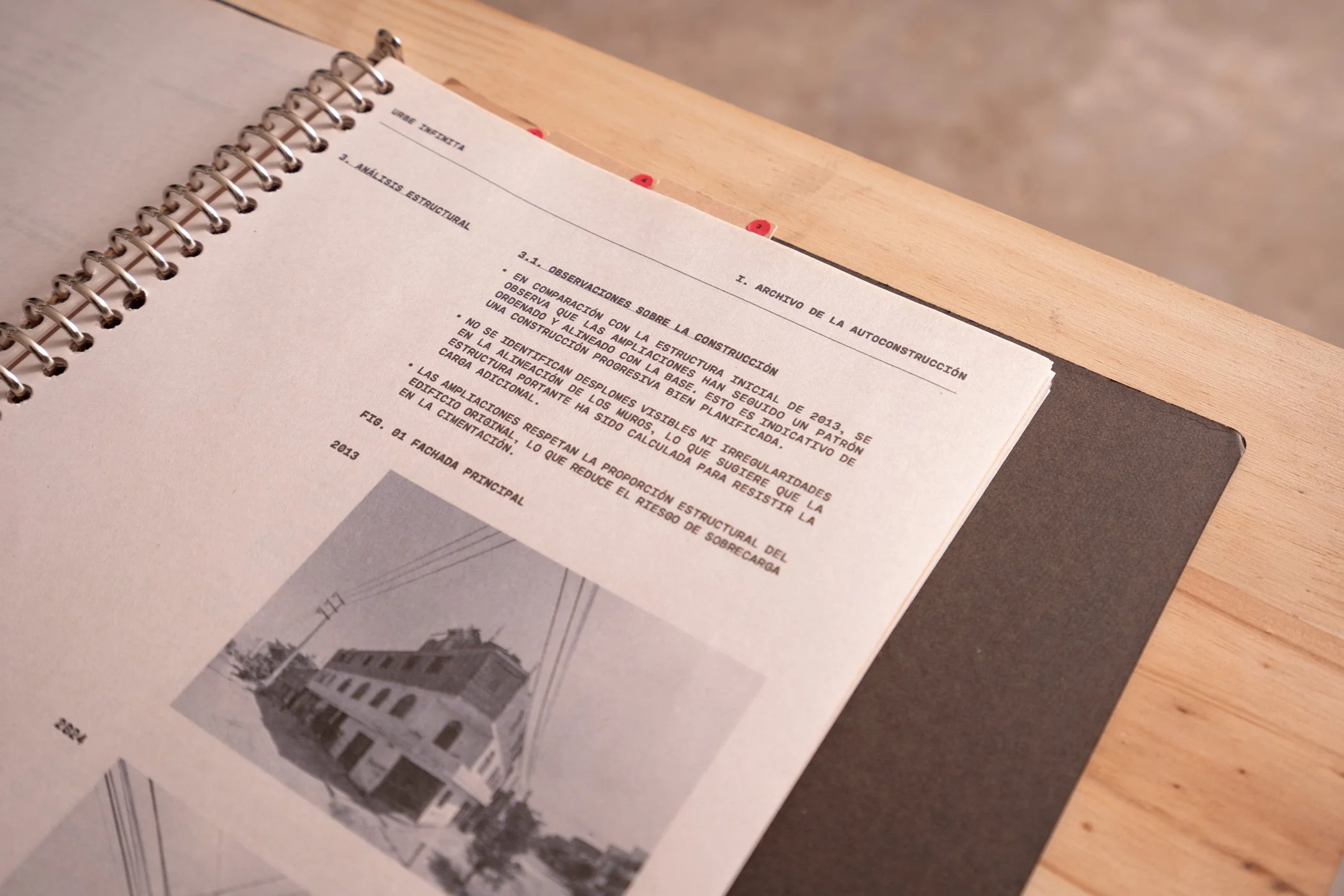
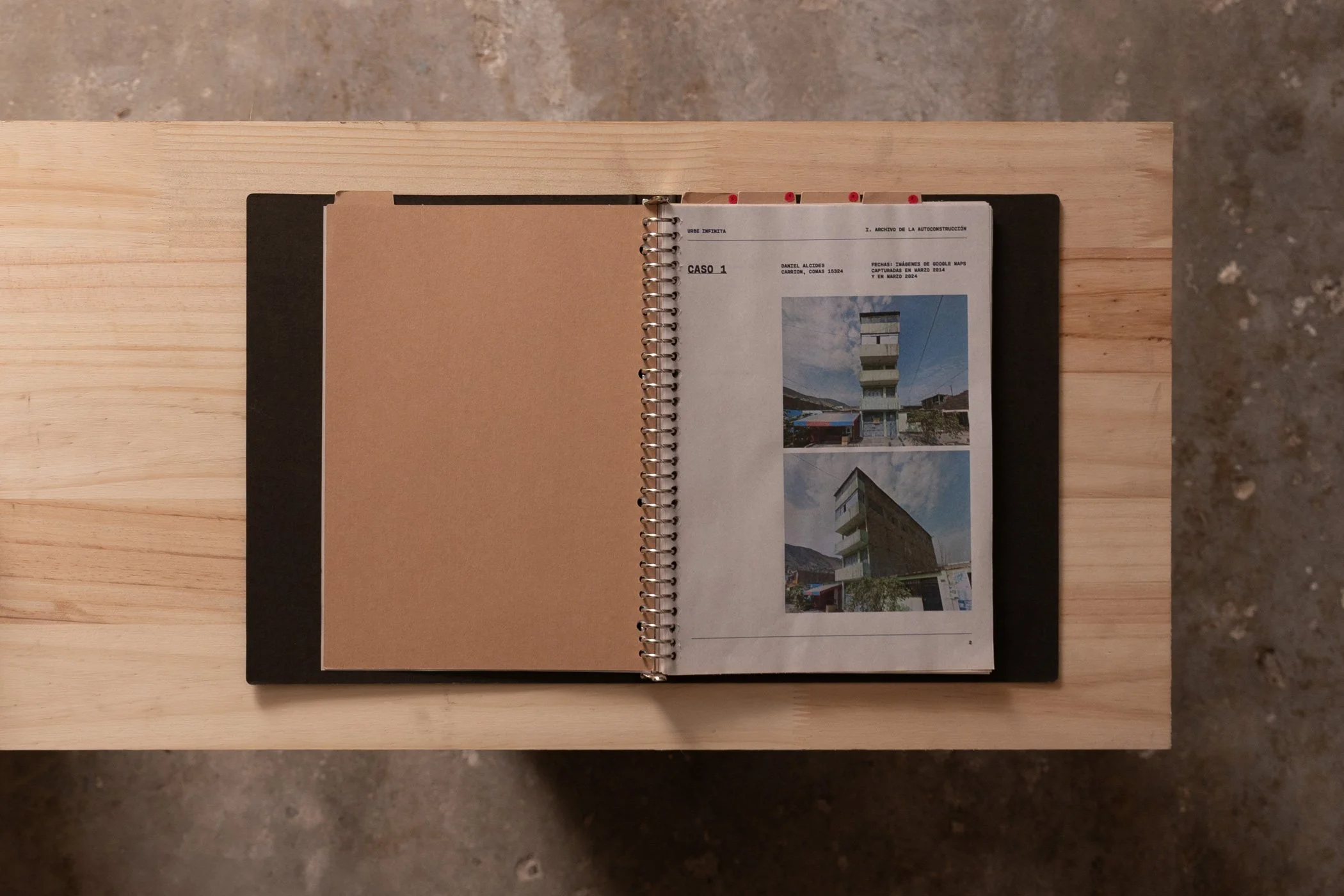
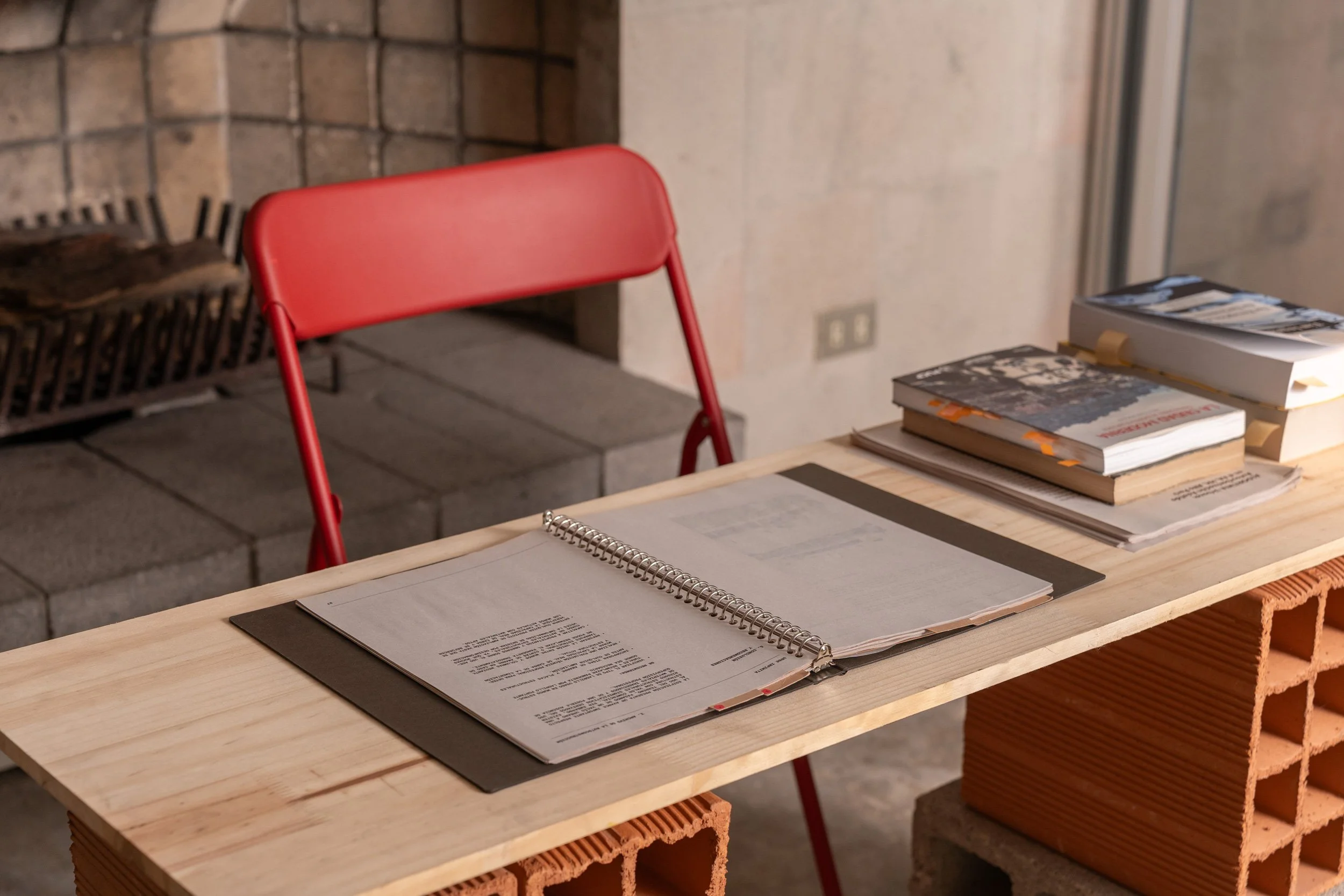
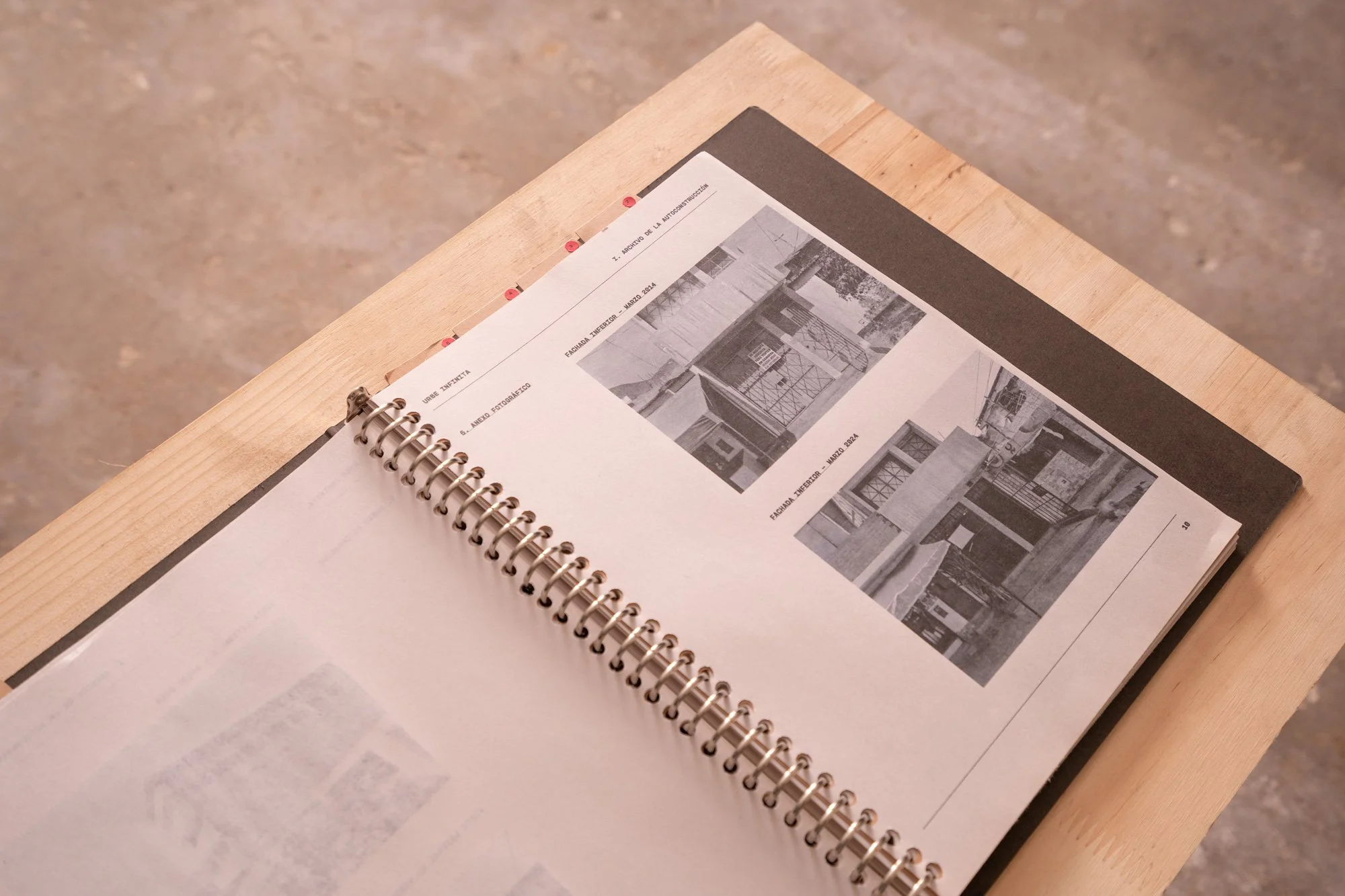
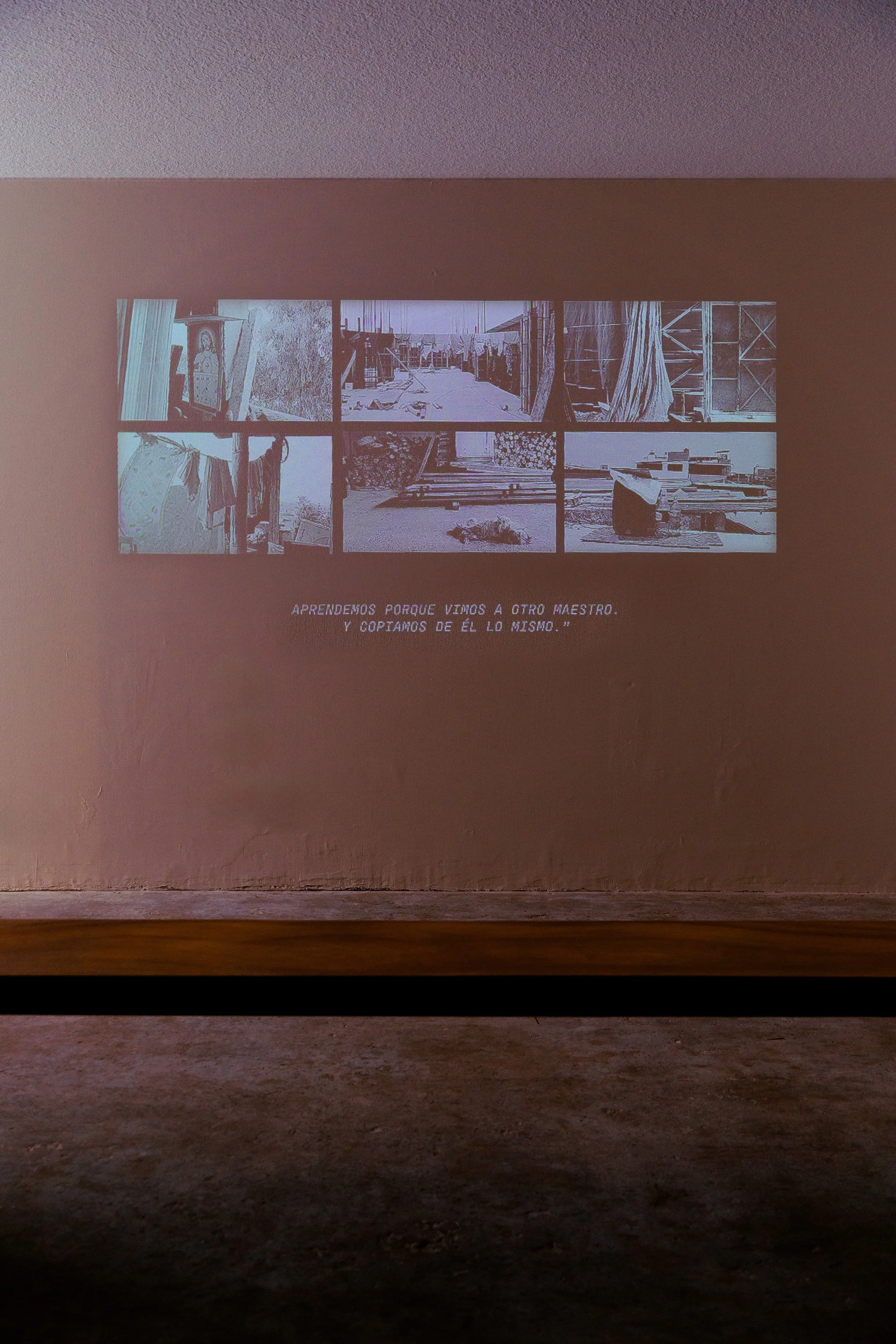
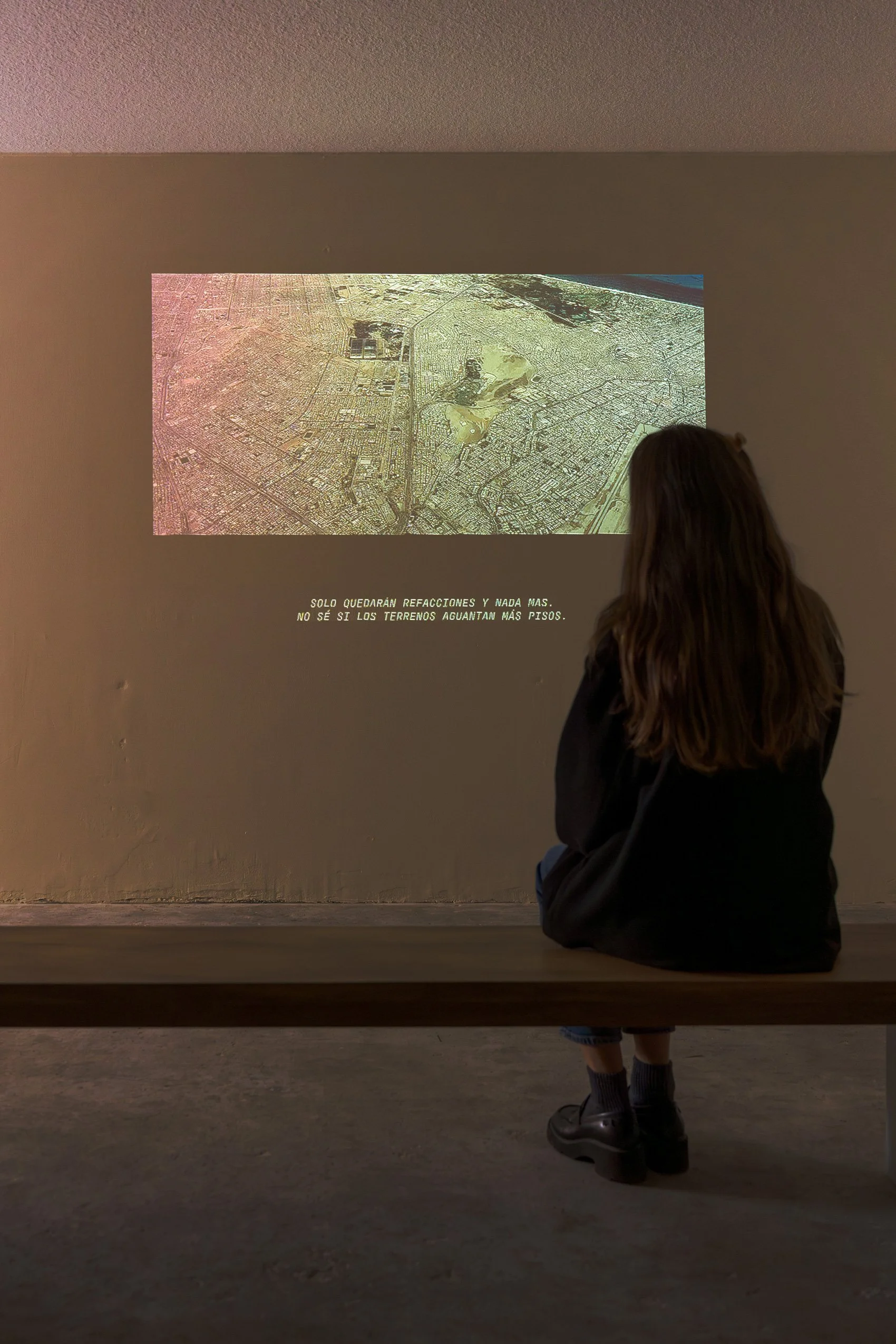
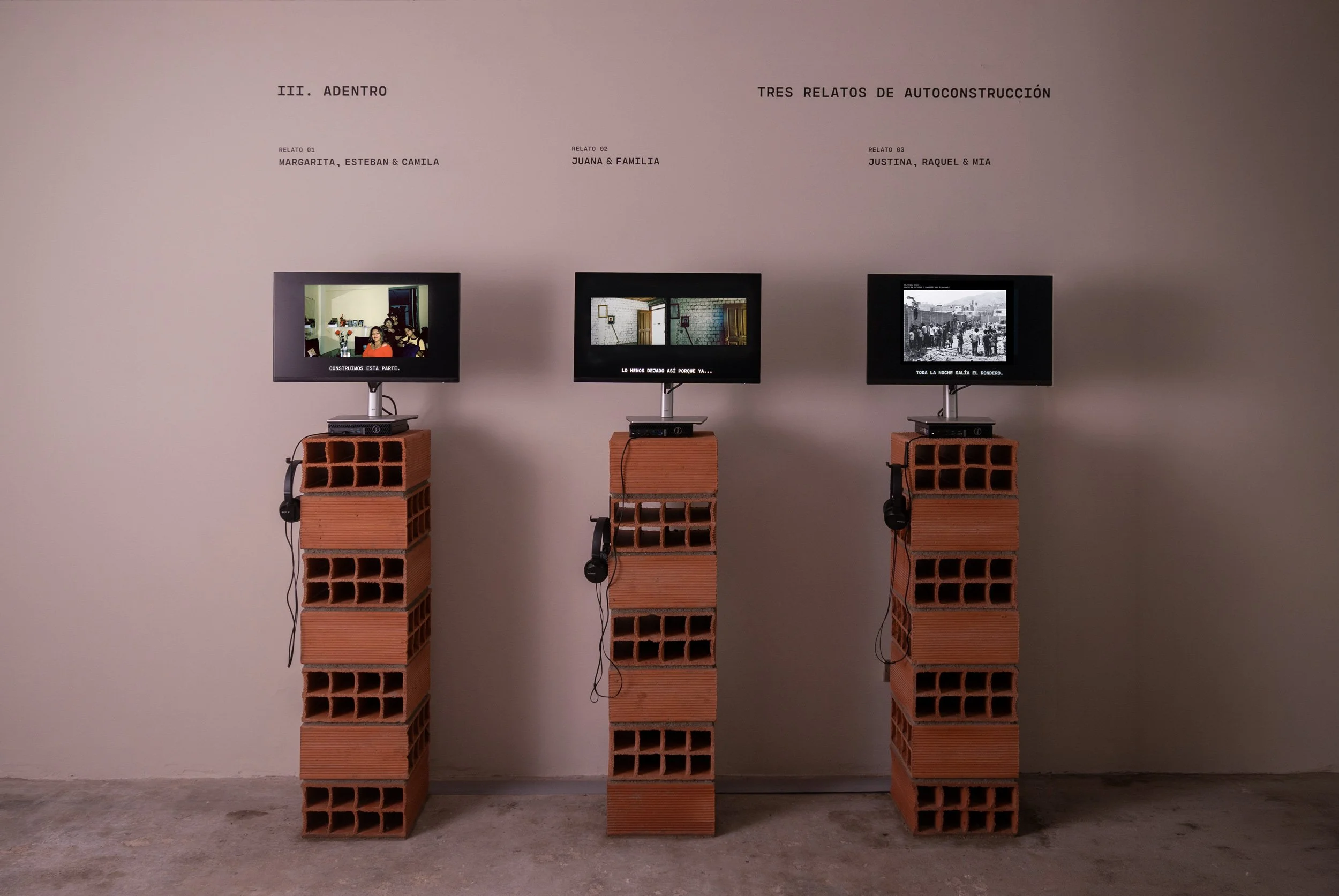
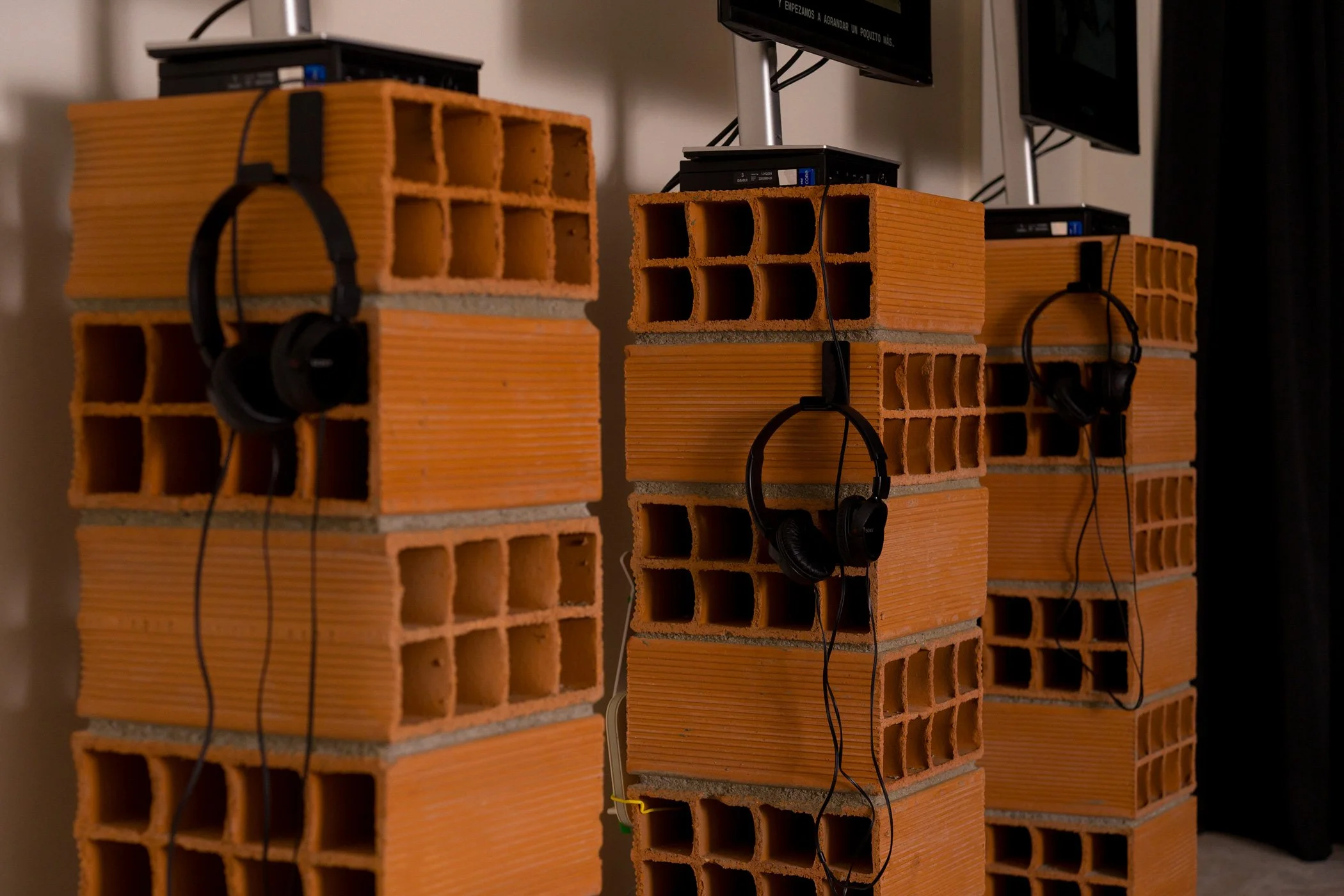
It brought together a visual archive documenting the evolution of more than 80 homes through Google Street View imagery, video interviews with three families, and projected testimonies from maestros de construcción (local master builders). It also included a dossier developed in collaboration with maestro de construcción Nicolás Chávez, documenting and analyzing cases of self-built architecture with the same rigor typically reserved for formal architecture.
The exhibition was curated by Carlos Caamaño, with support from UNACEM and CC17 Inmobiliaria.
CURATORIAL TEXT
AN INFINITE LANGUAGE
Since its invention, photography has shown a particular fascination with cities and the urban landscape. Its earliest practitioners, who began experimenting with the new possibilities of capturing and developing images, turned their gaze toward urban centers that were rapidly growing and transforming throughout the nineteenth century. Such was the importance of this new medium in documenting urban development that the French government established the first public photographic survey of buildings of historical and cultural significance in Paris. Similar initiatives followed, largely undertaken by governments, academic and educational institutions, and organizations dedicated to architecture and urban planning. Over the course of the twentieth century, photography—inextricably linked to technological advances—established itself as a versatile, eclectic, and boundless medium. A medium that became a language. A language that transcends genres. A language that can be art, documentation, journalism, science, fashion, advertising; in short, a language with infinite applications.
It is within this context that Urbe Infinita emerges, the first solo exhibition by Rafaella Castagnola, who draws on photography (the still image) and one of its descendants—video (the moving image)—to develop a project in which the photographic language once again refuses to be confined to a single category, expanding instead into a diversity of uses. In Urbe Infinita, photography is not an end in itself, but a means of opening a debate, articulating ideas, and exploring a city—as infinite as the medium itself—such as Lima. The project Castagnola presents also brings together the defining elements of what is now known as post-photography, a concept developed by Spanish curator and photographer Joan Fontcuberta, in which photography is understood through its relationship with the digital, culminating in its current form as a convergence of image, technology, and the Internet. Within this aesthetic framework, Castagnola combines photography and video with the appropriation of images sourced from Google Maps. The connection between Urbe Infinita and post-photography is no coincidence. On the one hand, the artist's multidisciplinary background naturally lends itself to the use of different visual languages. On the other, a project that seeks to understand the urban environment as a living system—particularly one as complex as Lima—becomes an almost boundless undertaking, an ambitious exercise situated somewhere between art, research, and social essay.
In the realm of art, our city has ceased to be merely the representation of a landscape, becoming instead an indecipherable, contradictory, and complex image. It offers fertile ground for examining, through the limitless possibilities of post-photography, the social and urban reconfiguration of what we now recognize as the new Lima.
Carlos Caamaño A.
London, May 2025
CURATORIAL TEXT
AN INFINITE LANGUAGE
Since its invention, photography has shown a particular fascination with cities and the urban landscape. Its earliest practitioners, who began experimenting with the new possibilities of capturing and developing images, turned their gaze toward urban centers that were rapidly growing and transforming throughout the nineteenth century. Such was the importance of this new medium in documenting urban development that the French government established the first public photographic survey of buildings of historical and cultural significance in Paris. Similar initiatives followed, largely undertaken by governments, academic and educational institutions, and organizations dedicated to architecture and urban planning. Over the course of the twentieth century, photography—inextricably linked to technological advances—established itself as a versatile, eclectic, and boundless medium. A medium that became a language. A language that transcends genres. A language that can be art, documentation, journalism, science, fashion, advertising; in short, a language with infinite applications.
It is within this context that Urbe Infinita emerges, the first solo exhibition by Rafaella Castagnola, who draws on photography (the still image) and one of its descendants—video (the moving image)—to develop a project in which the photographic language once again refuses to be confined to a single category, expanding instead into a diversity of uses. In Urbe Infinita, photography is not an end in itself, but a means of opening a debate, articulating ideas, and exploring a city—as infinite as the medium itself—such as Lima. The project Castagnola presents also brings together the defining elements of what is now known as post-photography, a concept developed by Spanish curator and photographer Joan Fontcuberta, in which photography is understood through its relationship with the digital, culminating in its current form as a convergence of image, technology, and the Internet. Within this aesthetic framework, Castagnola combines photography and video with the appropriation of images sourced from Google Maps. The connection between Urbe Infinita and post-photography is no coincidence. On the one hand, the artist's multidisciplinary background naturally lends itself to the use of different visual languages. On the other, a project that seeks to understand the urban environment as a living system—particularly one as complex as Lima—becomes an almost boundless undertaking, an ambitious exercise situated somewhere between art, research, and social essay.
In the realm of art, our city has ceased to be merely the representation of a landscape, becoming instead an indecipherable, contradictory, and complex image. It offers fertile ground for examining, through the limitless possibilities of post-photography, the social and urban reconfiguration of what we now recognize as the new Lima.
Carlos Caamaño A.
London, May 2025
ARTIST STATEMENT
“There can, then, be no absolute distinction between ‘natural’ and ‘artificial’ structures. Buildings, like other environmental structures, are never complete but continually under construction, and have life-histories of involvement with their inhabitants.”
- Tim Ingold, The Temporality of Landscape
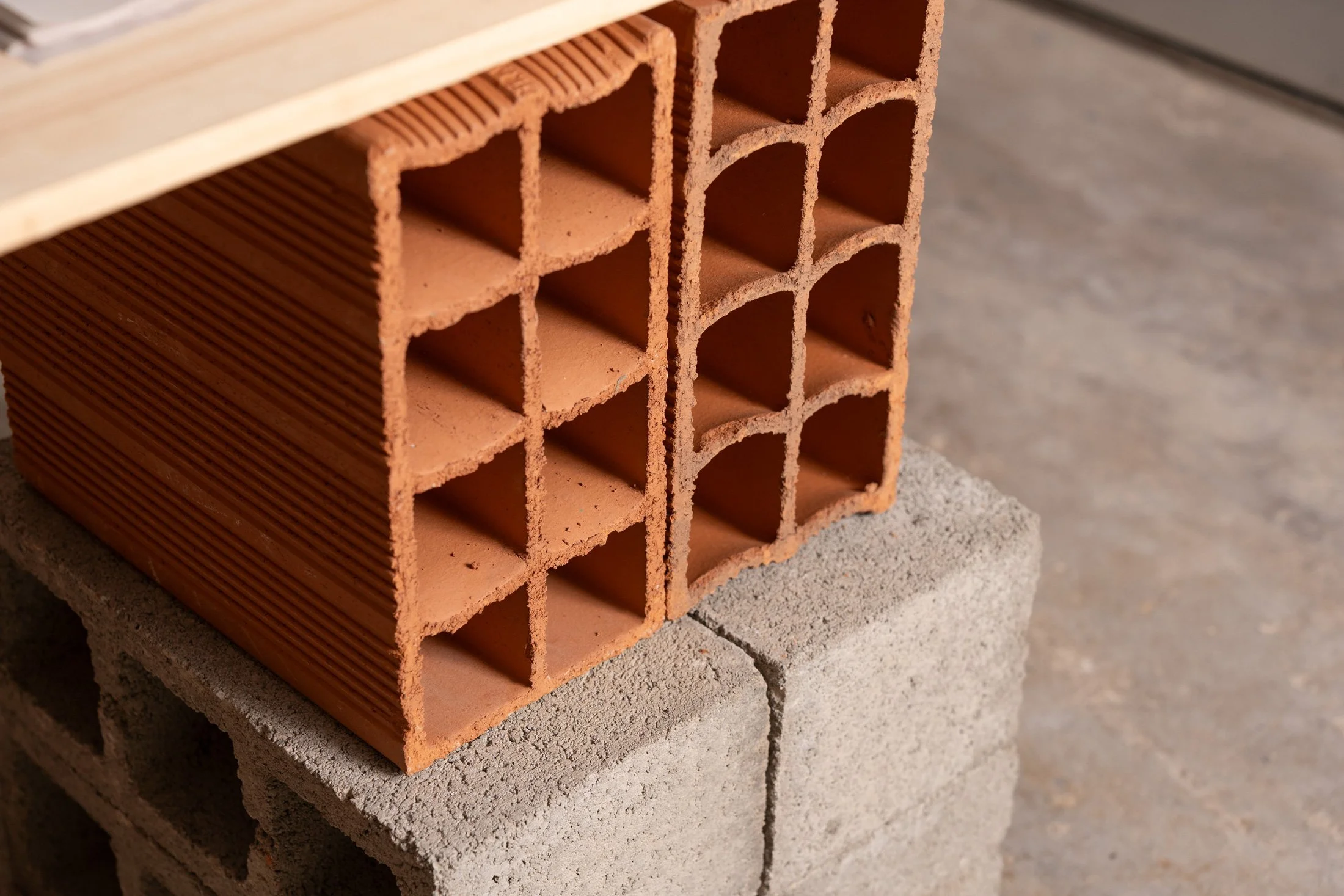
A year ago, I came across Tim Ingold’s idea that buildings, like natural environments, are constantly evolving. I immediately thought of the architecture of my city, Lima. A sprawling metropolis that has expanded across the coastal desert, forming an unfinished and largely unplanned landscape. Exposed brick facades, steel rods protruding as signs of future expansion, staircases leading to floors yet to be built. This is the landscape of self-built architecture: homes constructed and expanded gradually, shaped by the changing needs and resources of their inhabitants, often across generations. Seven out of ten homes in Lima have been built through this process, defining a city that has largely grown outside formal urban planning.
After reading Ingold’s text, I turned to Google Street View and began capturing images of these structures. For those of us who have lived primarily in what is known as Lima Moderna (Modern Lima), self-built neighborhoods have always seemed like another city: vast, layered, almost impossible to grasp in its entirety. Google Street View offered me not only an endless spatial exploration, but also a journey through time: the possibility of observing how a single structure changes over the course of a decade. These “before and after” images make the abstract passage of time tangible, documenting a city in constant transformation. What gradually emerged was a visual archive of structures that, paradoxically, resist being archived: forms that have shaped a city that has yet to recognize them.
As I navigated the virtual landscape of Google Street View, almost devoid of human presence, I felt the need to contrast this distant, anonymous view with a perspective from within, one that explored the human dimension of self-construction. I visited building sites and homes in southern Lima, where I spoke with maestros de construcción (local master builders), who serve as catalysts for the process, and with families, who drive the expansion of their homes. Their stories gave tangible form to the abstraction of the archive: behind every exposed brick and unfinished structure lies an accumulation of labor, knowledge, and aspirations that collectively build the city. House by house. Family by family.
The Google Maps images and the testimonies gathered throughout this research come together in an exhibition held in a house soon to be demolished to make way for a new building. Built in 1968, the house dates back to a period when self-construction had already become central to Lima’s urban transformation. Waves of migration from rural areas brought thousands to the capital, seeking to escape poverty. Faced with a system that excluded them from housing and basic services, they took urbanization into their own hands. Self-construction became central to debates about the city. Urban planners and architects, both local and international, saw in this phenomenon a laboratory for exploring spontaneous urban growth and collective agency beyond the rigidity of traditional planning. The outlook was optimistic: this energetic surge of collective activity, reshaping the urban landscape, might give rise to a new order. Decades later, we continue to inhabit a city shaped by this desborde popular (popular overflow): a massive, autonomous process that reconfigured Lima from the ground up, without the state or formal institutions ever fully integrating it or establishing that long-awaited new order.
What does the landscape we have built reveal? Urbe Infinita is an attempt to understand our urban environment as a living system. To think of self-built homes as generational archives. Dreams in perpetual construction. A visual record of how people adapt and survive within a system that does not always include them. Chance and necessity transformed into architecture, into city, into home. These structures are contradictory monuments: to resilience, to labor, to precarity, and to state neglect. Ultimately, they are expressions of the human need to persist, to create, to build.
Rafaella Castagnola
Lima, May 2025

ARTIST STATEMENT
A year ago, I came across Tim Ingold’s idea that buildings, like natural environments, are constantly evolving. I immediately thought of the architecture of my city, Lima. A sprawling metropolis that has expanded across the coastal desert, forming an unfinished and largely unplanned landscape. Exposed brick facades, steel rods protruding as signs of future expansion, staircases leading to floors yet to be built. This is the landscape of self-built architecture: homes constructed and expanded gradually, shaped by the changing needs and resources of their inhabitants, often across generations. Seven out of ten homes in Lima have been built through this process, defining a city that has largely grown outside formal urban planning.
After reading Ingold’s text, I turned to Google Street View and began capturing images of these structures. For those of us who have lived primarily in what is known as Lima Moderna (Modern Lima), self-built neighborhoods have always seemed like another city: vast, layered, almost impossible to grasp in its entirety. Google Street View offered me not only an endless spatial exploration, but also a journey through time: the possibility of observing how a single structure changes over the course of a decade. These “before and after” images make the abstract passage of time tangible, documenting a city in constant transformation. What gradually emerged was a visual archive of structures that, paradoxically, resist being archived: forms that have shaped a city that has yet to recognize them.
As I navigated the virtual landscape of Google Street View, almost devoid of human presence, I felt the need to contrast this distant, anonymous view with a perspective from within, one that explored the human dimension of self-construction. I visited building sites and homes in southern Lima, where I spoke with maestros de construcción (local master builders), who serve as catalysts for the process, and with families, who drive the expansion of their homes. Their stories gave tangible form to the abstraction of the archive: behind every exposed brick and unfinished structure lies an accumulation of labor, knowledge, and aspirations that collectively build the city. House by house. Family by family.
The Google Maps images and the testimonies gathered throughout this research come together in an exhibition held in a house soon to be demolished to make way for a new building. Built in 1968, the house dates back to a period when self-construction had already become central to Lima’s urban transformation. Waves of migration from rural areas brought thousands to the capital, seeking to escape poverty. Faced with a system that excluded them from housing and basic services, they took urbanization into their own hands. Self-construction became central to debates about the city. Urban planners and architects, both local and international, saw in this phenomenon a laboratory for exploring spontaneous urban growth and collective agency beyond the rigidity of traditional planning. The outlook was optimistic: this energetic surge of collective activity, reshaping the urban landscape, might give rise to a new order. Decades later, we continue to inhabit a city shaped by this desborde popular (popular overflow): a massive, autonomous process that reconfigured Lima from the ground up, without the state or formal institutions ever fully integrating it or establishing that long-awaited new order.
What does the landscape we have built reveal? Urbe Infinita is an attempt to understand our urban environment as a living system. To think of self-built homes as generational archives. Dreams in perpetual construction. A visual record of how people adapt and survive within a system that does not always include them. Chance and necessity transformed into architecture, into city, into home. These structures are contradictory monuments: to resilience, to labor, to precarity, and to state neglect. Ultimately, they are expressions of the human need to persist, to create, to build.
Rafaella Castagnola
Lima, May 2025